









































Silent Spaces, Meaningful Structures
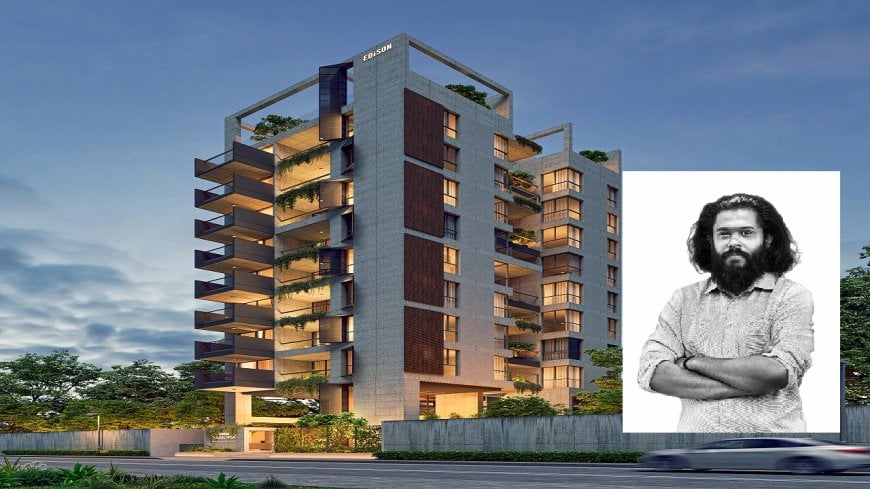



In a rapidly evolving Dhaka, where new buildings rise every day and architectural trends shift swiftly, a new Bangladeshi architectural studio, Slate, has emerged with a distinct philosophy. Unlike many who prioritize visual spectacle, Slate places human needs and purpose at the center of its design discourse. For them, architecture is not merely about beauty—it is about creating environments that make life easier, richer, and more meaningful.
For Slate, architecture is not an act of exhibition but an integral part of life. Every design must have a reason—this belief guides their approach and shapes their creative identity. Their guiding principle, “Design with Purpose,” is not merely a promotional tagline; it is the foundation of their practice. Before beginning any project, the team asks a fundamental question: “Why does this space need to exist?” The answer forms the basis of every design direction they take.
Whether designing a home or an office, Slate ensures that spaces enhance the natural rhythm of daily living. A home, to them, is not simply a shelter but a shared environment where families live, grow, and create memories. In the case of office spaces, the aim is not just functionality—they strive to preserve an environment where creativity and individuality can thrive.
One of Slate’s defining traits is its emphasis on human emotion. The team often says, “A building is successful only when the people inside it feel good—when they feel connected.” While many architects chase applause or architectural acclaim, Slate builds for longevity—designs meant to endure through time. The result is architecture that quietly enhances life, proving that originality does not need to shout.
As one of Bangladesh’s thoughtful emerging design studios, Slate demonstrates that good architecture does not have to be expensive or complex. It must be sincere, purposeful, and closely connected to the people it serves. Their work seeks not to simply stand in place but to become a living part of those who experience it daily.
The Human Language of Architecture: The Story of Syed Mohammad Imran and Slate
“Architecture should not only impress today—it should inspire tomorrow.” These are the words of Syed Mohammad Imran, co-founder of Slate, who interprets the language of architecture through the lens of human experience.
Imran first earned recognition during his time at Edison Real Estate, where he played key roles in several of the country’s most admired projects. Over time, he felt that his creative insight exceeded the boundaries of the conventional real estate framework. He envisioned a design approach driven not by commercial demand but by purpose.
From that vision, Slate was born. Each design begins with people—not structures.
Since its inception, Slate has contributed a new direction to contemporary Bangladeshi architecture. In a city filled with glossy facades and borrowed styles, Slate’s work stands apart with identity and cultural relevance. Their approach is not to imitate foreign aesthetics but to create designs that resonate with the local climate, lifestyle, and environment.
Guided by Imran’s leadership, every project at Slate is treated as a story. Their first question is always, “How will this space endure across generations?” Whether a small residence or a large development, they search for meaning, emotion, and sustainability in every structure.
For Imran, design is not a competition—it is a practice of understanding human sensitivity. Under his direction, Slate’s team combines precision with empathy to create structures that remain grounded and enduring.
In a time when Bangladesh’s architectural landscape is changing rapidly, Slate represents a quiet revolution. They remind us that progress is not only achieved through concrete and steel, but through intention, restraint, and humanity. Through Slate, Syed Mohammad Imran is not only constructing buildings—he is shaping a philosophy. He believes that great architecture touches the heart, not just the skyline.
Writer: Firoz Al Shams, Senior Media Adviser, Top of Mind
Note: The views expressed in this opinion piece are solely those of the writer and do not reflect the editorial position of Digital Bangla Media. In keeping with the policy of representing diverse viewpoints, the article is presented without editorial intervention. Any reaction or interpretation remains entirely personal.









