







































E-Bike Economy Energized: Tax Exemptions Proposed in New Budget
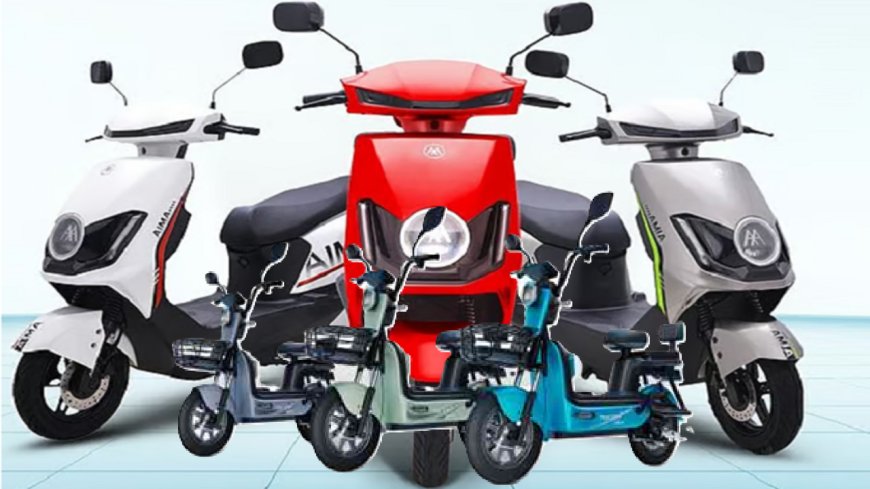



In a significant push to promote the domestic electric bike (e-bike) industry, the proposed national budget for the fiscal year 2025–26 includes sweeping tax exemptions aimed at encouraging energy-efficient e-bike production.
While presenting the budget, Economic Adviser Dr. Salehuddin Ahmed announced that all taxes exceeding 5 percent on local e-bike manufacturing would be waived. “To support local e-bike manufacturing, all duties above 5 percent will be exempted,” he said. Additionally, the import or local procurement of components essential for e-bike production will be fully exempted from VAT, advance tax, and supplementary duties.
However, entrepreneurs seeking to benefit from these incentives must meet ten specific conditions set by the National Board of Revenue (NBR), according to official sources.
Manufacturers must register with the Bangladesh Investment Development Authority (BIDA), the Bangladesh Economic Zones Authority, or the Hi-Tech Park Authority to establish e-bike production facilities. They are also required to obtain a Makers Code and Type Approval from the Bangladesh Road Transport Authority (BRTA). Furthermore, environmental clearance from the Department of Environment and ISO certification are mandatory.
The manufacturing facility must employ at least 250 workers and be equipped with modern machinery and raw material processing systems capable of producing e-bike chassis. The plant must also include machinery for producing plastic parts of e-bikes within the same premises. A dedicated paint shop is required for coloring e-bikes on-site.
In addition, producers must manufacture electric motors and related components in-house. For battery production, companies must either manufacture them independently or procure them through formal agreements with local battery producers.
Finally, manufacturers must ensure that their e-bikes are marketed through dedicated sales centers and that spare parts supply and after-sales service centers are in place.
These measures reflect the government’s ambition to build a sustainable, locally-driven electric mobility ecosystem by facilitating investment and technical development in the e-bike sector.









