





























































































































































Workshop at BRAC University Highlights Role of Artificial Intelligence in Foreign Language Learning
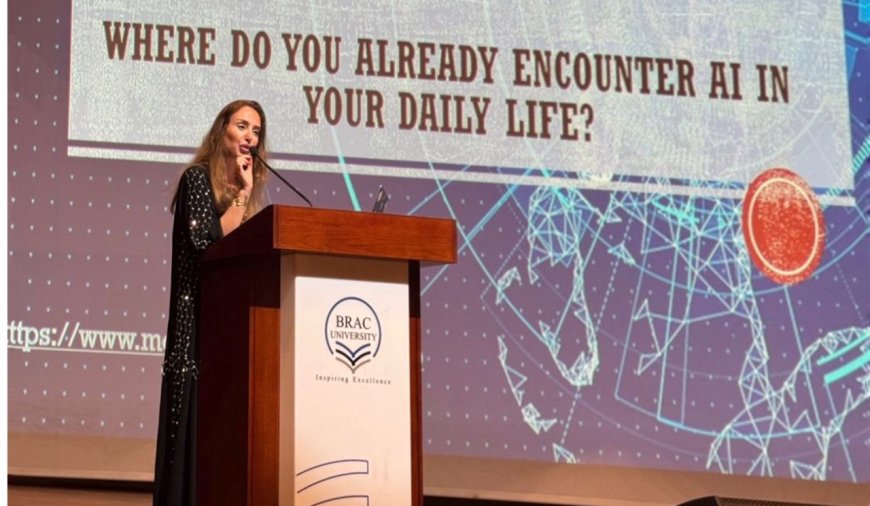



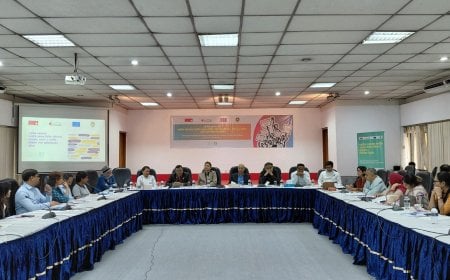
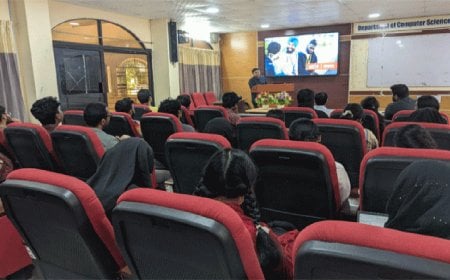
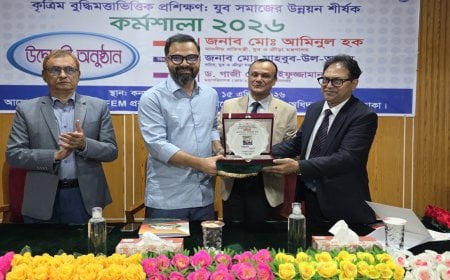
A special workshop on the use of artificial intelligence (AI) in foreign language education was held at BRAC University’s Merul Badda campus, organized by the university’s Languages Club. Titled “Artificial Intelligence and Digital Tools in the Teaching of Foreign Languages: Turning a Perceived Threat into a Powerful Ally,” the workshop explored a variety of ways in which AI can enhance language learning.
The session showcased features of language-focused AI tools such as instant feedback, grammar and vocabulary improvement, writing assistance, and pronunciation practice. Participants also engaged in interactive exercises designed to address common learning challenges like lack of motivation, pronunciation issues, or grammar difficulties—each tackled using suitable AI solutions.
The workshop included discussions on how to select effective tools to support student learning. Participants had the opportunity to use these tools hands-on and engaged in open conversations about the ethical considerations of AI use in education.
Language teachers, program coordinators, and digital learning enthusiasts from across the country attended the workshop. Many of them raised concerns about challenges, particularly the difficulty of identifying when and how students are using AI tools, which has raised questions about academic integrity. They emphasized the need for clear guidelines to ensure responsible use.
The workshop was conducted by Dr. Nura El Sayed Rodriguez, an expert in education and language with over 15 years of experience in academic leadership, multilingual education, and digital innovation. She holds a PhD in Multilingual Education, Multicultural Education, and Equity Studies from Saint Joseph University of Beirut.
Dr. Rodriguez drew on her experiences across the Middle East, Asia, and Africa to share diverse contexts and real-life examples during the session. “Artificial intelligence is not a threat,” she said, “but rather a powerful ally in foreign language teaching when used with integrity and responsibility.”
The discussion also highlighted key advantages of AI in language learning, including self-paced study, opportunities for practice beyond the classroom, engaging game-like learning environments, and exposure to various languages and cultures that foster intercultural understanding. These features help make learning more vivid and real-world oriented.
Additionally, the workshop addressed common misconceptions and the realities of AI, offering participants a grounded perspective on its capabilities and limitations.
The dialogue inspired educators to think more critically about the ethical, relevant, and effective ways of integrating AI into their teaching. In her closing remarks, Dr. Rodriguez emphasized that teachers should become better acquainted with the tools their students are using. “This will allow them to understand their students' learning processes more clearly and incorporate appropriate tools into their teaching that align with students’ digital experiences and enhance learning,” she said.
She further urged teachers to initiate open discussions with students about the ethical use of AI, so that students learn to engage with these tools responsibly and constructively. The workshop played a vital role in equipping participating teachers and education professionals with practical knowledge, skills, and perspectives regarding the use of AI in the classroom.