






































Bangladesh, Thailand Stress Future FTA to Boost Digital Trade and Economic Connectivity
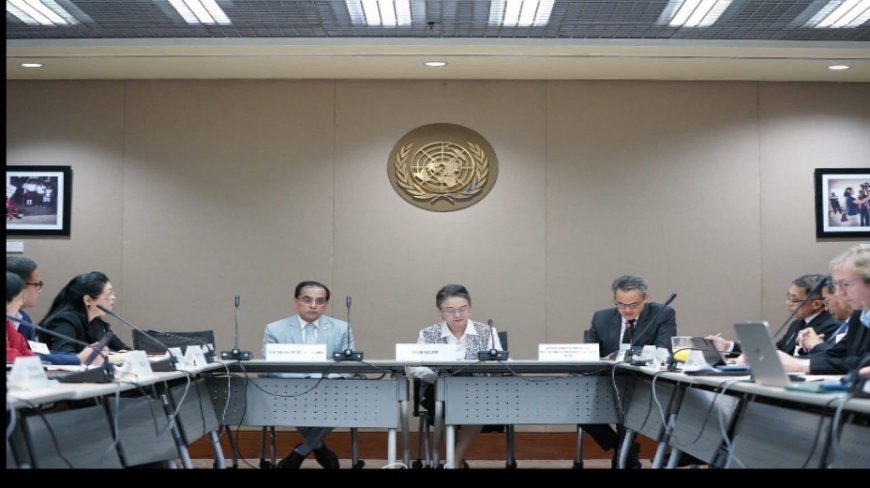



Bangladesh and Thailand have underscored the importance of advancing discussions on a future Free Trade Agreement (FTA) to strengthen bilateral trade, investment, digital connectivity and broader economic cooperation amid evolving global trade dynamics.
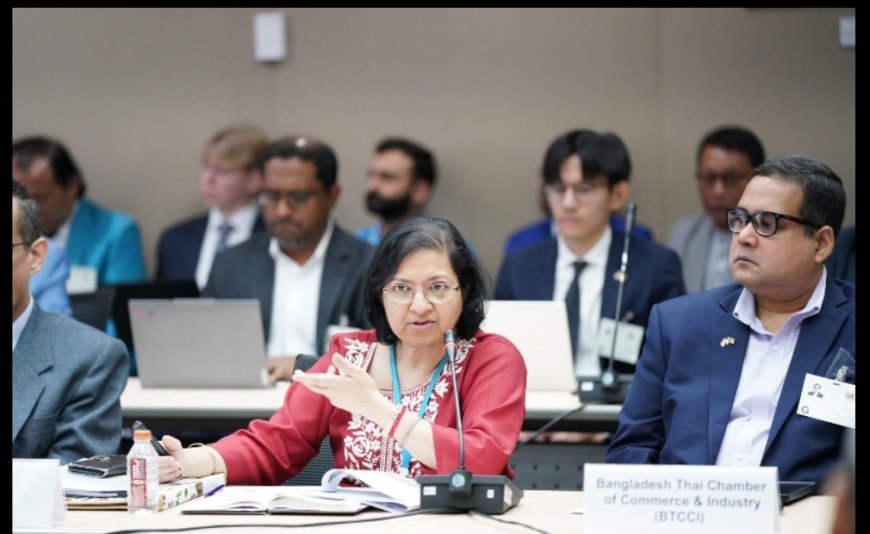
The issue came into focus at a policy dialogue titled “Enhancing Bangladesh–Thailand Economic Engagement: Challenges, Opportunities, and the Way Forward in the Future Free Trade Agreement (FTA)”, jointly organized by the Embassy of Bangladesh in Bangkok, the International Institute for Trade and Development (ITD) and the Bangladesh Foreign Trade Institute (BFTI) held on 12 May at the United Nations Conference Centre in Bangkok.
The dialogue brought together policymakers, trade experts, business leaders, international organizations and private sector representatives from both countries to explore opportunities and challenges surrounding a future FTA, particularly in the context of digital transformation, smart connectivity and regional supply chain integration.
Speaking at the opening session, Executive Secretary of ESCAP Armida Salsiah Alisjahbana, Bangladesh Commerce Ministry Secretary-in-charge Md. Abdur Rahim Khan and ITD Executive Director Suphakit Chareonkul highlighted the strategic importance of trade facilitation, regulatory harmonization, digital commerce, logistics modernization and enhanced maritime connectivity between the two countries.
They noted that a future FTA could help Bangladesh smoothly transition from its Least Developed Country (LDC) status while expanding market access and creating new business opportunities in emerging sectors driven by technology and innovation.
Participants observed that bilateral trade between Bangladesh and Thailand reached nearly USD 1 billion in 2025. However, they identified significant untapped potential in sectors including agro-processing, textiles, petrochemicals, renewable energy, healthcare, logistics, digital technology and services.
The dialogue also emphasized the need for more balanced and value-added trade, with stronger collaboration in technology transfer, smart manufacturing, e-commerce and digital infrastructure development.
Key issues discussed during the session included trade in goods and services, investment frameworks, rules of origin, intellectual property protection, customs modernization, regulatory cooperation and private sector participation. Stakeholders further stressed the importance of improving maritime and logistics connectivity to reduce trade costs and strengthen regional supply chains.
Participants said Bangladesh and Thailand enjoy longstanding friendly relations and complementary economic strengths, adding that a modern and technology-focused FTA could enhance investor confidence, accelerate innovation-led growth and deepen regional economic integration.
Senior representatives from government agencies, chambers of commerce, think tanks, international institutions and private sector organizations from both countries also attended the event and shared their perspectives on the future of Bangladesh–Thailand economic engagement.
DBTech/ZUA/IH









