The Mobile Phone Industry Owners’ Association of Bangladesh (MIOB) has warned that the country’s export-oriented mobile handset manufacturing sector faces “premature death” if the National Equipment Identity Register (NEIR) is not implemented. Local manufacturers reaffirmed that handset prices will not rise after NEIR enforcement and urged all stakeholders to verify “misinformation” circulating in the market.
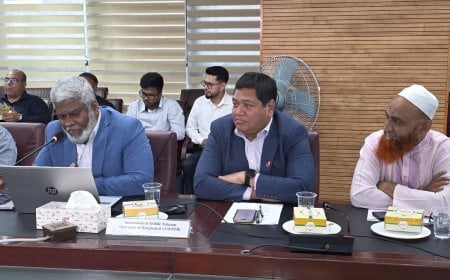
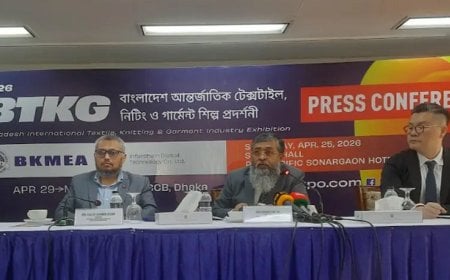
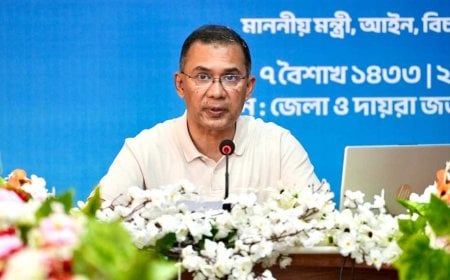
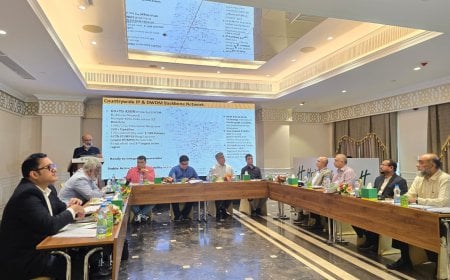
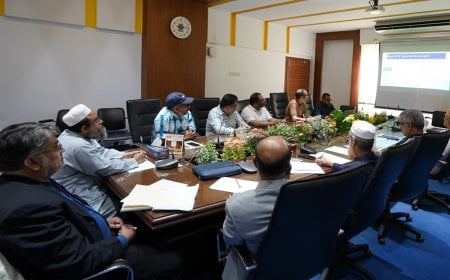
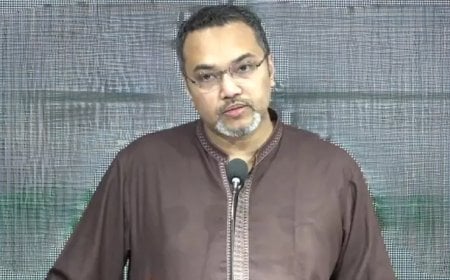
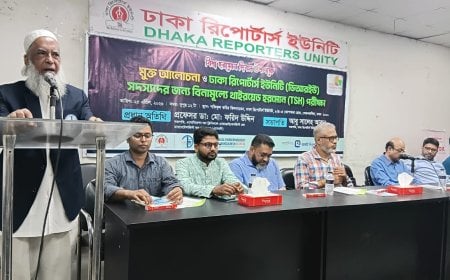
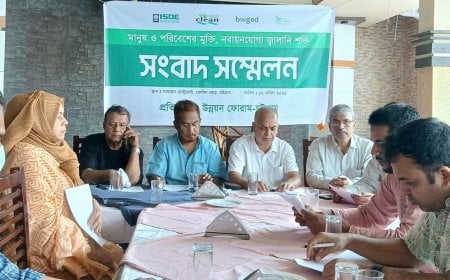
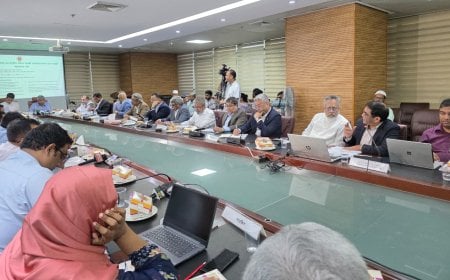
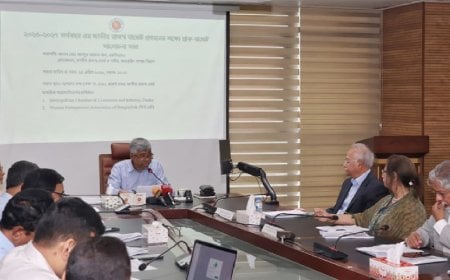
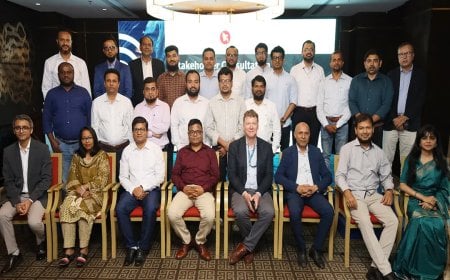
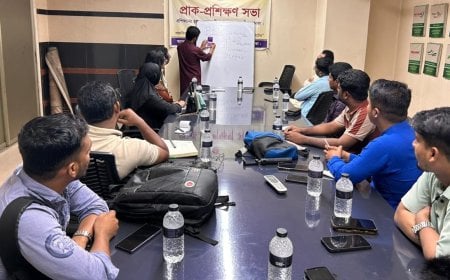
The call came during a press conference held on Monday, 8 December, at the Shafiqul Islam Auditorium of Dhaka Reporters’ Unity. MIOB representatives said NEIR will boost domestic production and help reduce prices.
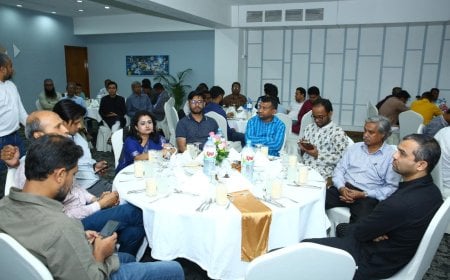
Mobile phone distributors were also present at the event.

Responding to a question, MIOB’s general secretary stated that the government is working to reduce the 57% VAT imposed in 2019.
Distribution Association representative Rahul Kapuria said that a large number of people work in the marketing chain, from SRs to salesmen, and 95% of them operate within the legal handset trade. “False narratives are being created to evoke emotion and spread misinformation,” he said.
MIOB President Zakaria Shahid said that tax structures for local manufacturing and imports are not identical due to producer protection measures. He added that NEIR will not harm expatriates and will help curb crimes involving stolen phones while ensuring consumer protection.
Xiaomi Bangladesh’s Managing Director Zia Uddin Chowdhury said allegations of tax evasion and syndication are baseless. “We are building this industry as a promising export sector for the future. But what is happening now could destroy the sector,” he warned.
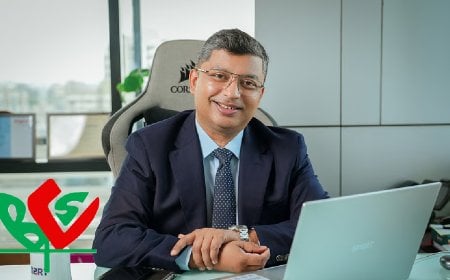
In his welcome speech, MIOB Treasurer and BCS President Mohammad Zahirul Islam said the industry has fallen victim to misinformation and disinformation. He urged all to verify claims circulating on social media.
MIOB said that restricting gray imports will allow consumers to purchase premium models at prices lower than official PI rates. They proposed offering a 10% commission to safeguard the businesses of those currently protesting. Bangladesh has around 12,000 mobile retail shops, 90% of which are engaged in legal smartphone retailing. Except for Bashundhara City and Jamuna Future Park, all other mobile markets remain open.
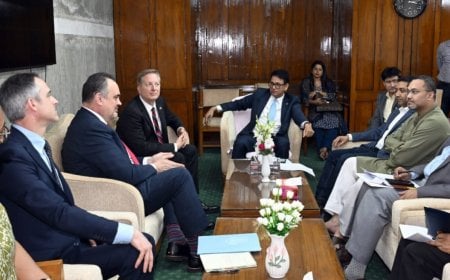
Representatives from Vivo Bangladesh, Excel Telecom (Samsung’s manufacturing partner), and others also attended.
MIOB further stated that Bangladesh’s smartphone market is “perfectly competitive,” with numerous companies, open market access, and strong competition. Therefore, allegations of syndication do not align with the economic reality. The mobile industry now comprises 18 manufacturing plants with over Tk 3,000 crore in local and foreign investment, employing 50,000 skilled workers directly and another 50,000 indirectly. Nearly 30% of the workforce is women.
Bangladesh’s monthly production capacity stands at 1.5 million smartphones and 2.5 million feature phones, though 30–40% of this capacity remains unused due to gray market pressure. The current market size is about Tk 20,000 crore, with 20,000 retail points and 5,000 top-tier retailers. The sector contributes over Tk 2,000 crore in taxes annually, along with Tk 500 crore in wages and Tk 400 crore in utility bills.
During the press conference, a mobile trader from Bashundhara City said that due to the actions of a few, their market had to be closed for security reasons, causing losses and putting small traders at severe risk. Except for two markets in Dhaka, no mobile market in the country is observing any shutdown.
DBTech/DU/IK/OR