















































































































































Fasting and Fat: Future of Fitness Focused
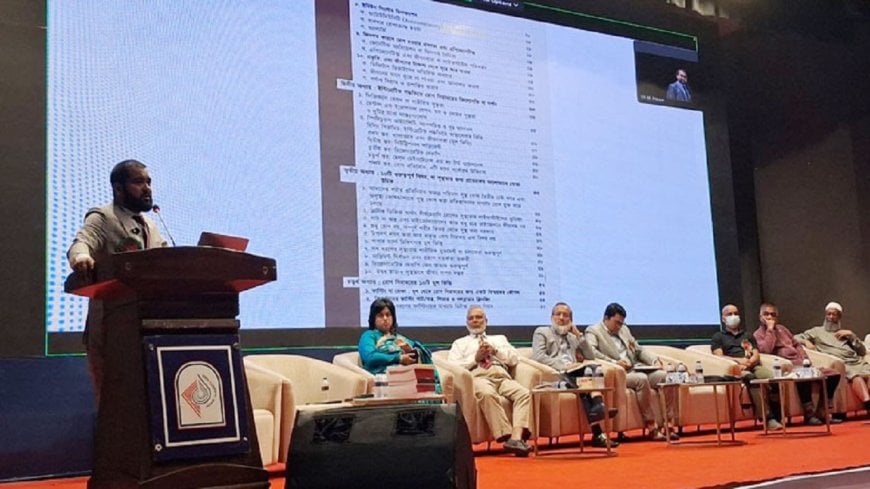



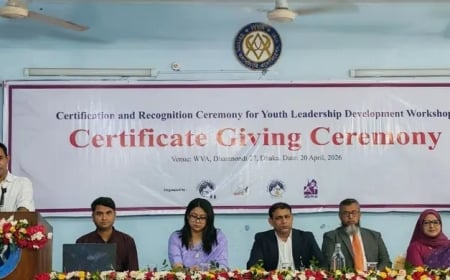
Dr. Mojibul Haque, consultant at the Center of Integrated Medicine in Texas, USA, emphasized the growing scientific and financial attention on fasting and dietary fats in American universities, calling them “the medicine of the future.” Speaking at the book launch of his health-awareness publication “Secrets of Wellness” at the American Wellness Center, Farmgate, Dr. Haque highlighted practical approaches to maintain health without medication.
He said, “Even during prolonged fasting, consuming lemon water, psyllium husk, and herbal teas does not break the fast.” Addressing widespread fat-related apprehensions, he added, “Fat is not always harmful to health. Around 70 percent of antibiotics enter our bodies through meat from farmed animals, which disrupts the balance of beneficial gut bacteria. Detoxifying the body naturally is essential for maintaining health.”
Dr. Haque, a doctoral and postdoctoral graduate from Harvard University, stressed the scientific basis of fasting. “Long periods without food should not be taken lightly. The misconception that health deteriorates without eating at fixed times is incorrect. Timely abstinence acts as medicine. When you are not eating, your body is detoxifying itself naturally,” he explained.
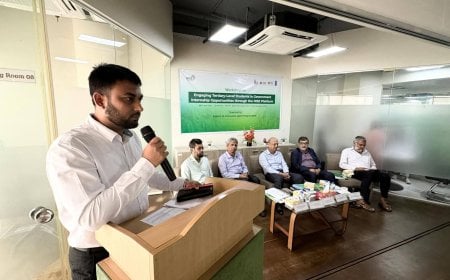
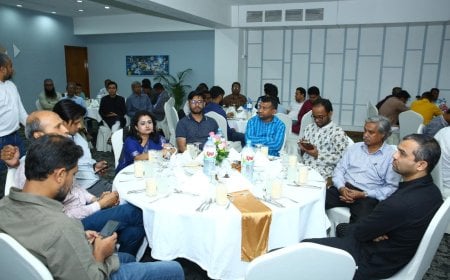
The book launch event, organized by the American Wellness Center, explored lifestyle modifications for holistic health. Dr. Haque emphasized, “To stay healthy, one must focus on lifestyle changes and managing daily activities. If done correctly, well-being can be achieved without medicine.”
On physical activity, he advised, “Take advantage of available spaces for exercise. Visit parks or gardens in the morning and evening. As more people use these spaces, new areas will be created.”
He stressed a balanced diet with controlled carbohydrates and inclusion of healthy fats, stating, “Red meat contains eleven beneficial amino acids and essential minerals. Consumed in moderation, it is highly beneficial, though excessive intake is harmful.” He also warned against processed foods, excessive sugar, and antibiotic-laden poultry, milk, and eggs, highlighting their negative impact on hormone balance and overall health.
Regarding preventive healthcare, Mohammad Saidur Rahman, Secretary of the Health Services Division, Ministry of Health and Family Welfare, stated, “Investing in preventive measures not only benefits individuals today but also strengthens the nation’s healthcare system long-term. Early health monitoring and disciplined lifestyles reduce the need for costly treatments.”
Dr. Haque further discussed the adverse effects of chemical additives in food and modern lifestyle habits such as overuse of electronic devices, which increase mental stress, disturb sleep, and contribute to chronic illnesses.
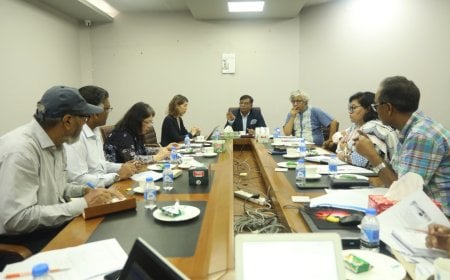
The seminar, chaired by Mohammad Mahbubul Haque of the American Wellness Center, included distinguished professionals, educators, and social workers. Discussions also touched on FDA perspectives regarding the combination of food and medicine, emphasizing the potential long-term harm from chemical substances in modern diets.
Dr. Haque concluded by reiterating the potential of fasting and healthy fats as integral tools for preventive medicine and sustainable health improvement.