







































































E-Waste and Engineering: Bangladesh Builds Momentum with Recycling and Research



Bangladesh is gearing up to tackle its looming e-waste crisis, projected to reach nearly 1.6 million tons annually by 2030, by establishing the country’s first comprehensive e-waste management plant at Kaliakair Hi-Tech Park in Gazipur. Despite the growing threat, a full-fledged recycling system has yet to be developed in the country.
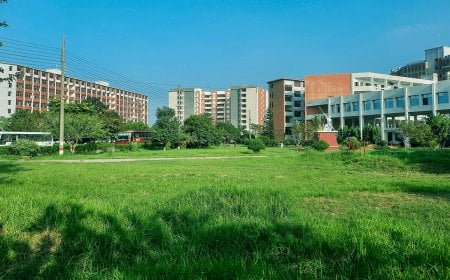
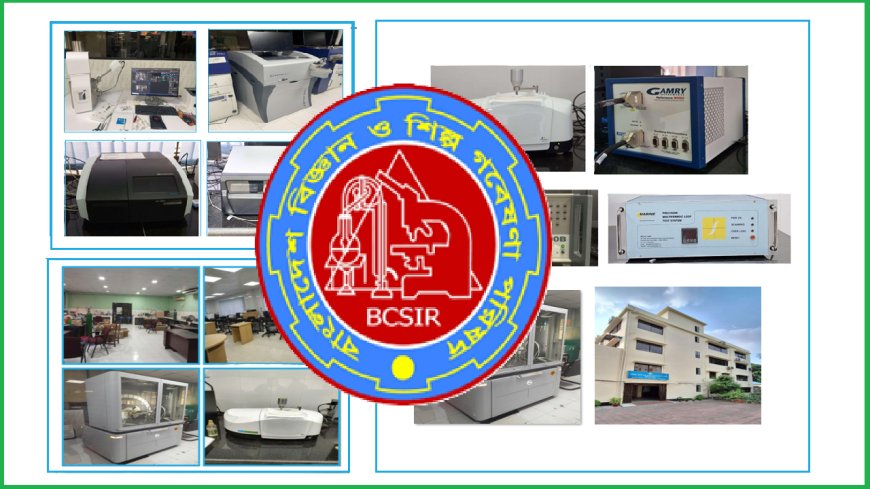
To address this gap, the Bangladesh Council of Scientific and Industrial Research (BCSIR) is also implementing a parallel project in Savar under the ongoing initiative titled "Creating Facilities for E-Waste Processing (2nd Revised)". The tenure of this project has now been extended by one year until June 2025 to allow the establishment of an e-waste processing laboratory at the Dhaka campus.
The delay stems from ongoing vertical expansion work on the third floor of the Dhaka campus and the fact that several pieces of essential lab equipment are yet to be delivered, despite procurement through letters of credit.
The extension was confirmed by the Ministry of Planning on Thursday (May 15), which cited the project's critical role in providing nationwide access to light and medium engineering services. According to the latest project performance review, cumulative financial progress reached 65.7% as of April 2024, while physical progress stood at 67%. The project’s revised budget reflects a 16.63% increase in expenditure.
BCSIR reports that Light Engineering Development Centers have been established at its campuses in Chattogram, Rajshahi, and Joypurhat under the same initiative. Additional projects include a Leather Research Centre in Savar and the establishment of an ongoing E-Materials Centre.
The Dhaka campus will house both the E-Materials Centre and the e-waste processing research laboratory. The broader aim of the initiative is to improve the quality of locally produced and imported materials used in sectors such as construction (steel, concrete, cement), light engineering (spare parts), and electrical engineering (cables, insulators).
The project also focuses on setting up specialized laboratories, building networks with domestic and international research institutions, and fostering joint research. Originally budgeted at BDT 493 million, the revised project cost now stands at BDT 652.9 million.
According to BCSIR, locally manufactured cast iron, electronics, engineering tools, conductive wires, and stainless-steel items are already being exported. With many individuals engaged in these sectors, the project aims to enhance their skills and support further growth.
“Light engineering is now a promising sector,” stated a BCSIR representative. “The government is committed to its advancement and is taking initiatives to provide more support to stakeholders.”
Historically, both developed and developing nations have relied heavily on materials processing industries for economic progress. The availability of high-quality, affordable raw materials, machinery parts, and services—underpinned by a strong materials processing industry—has always been key to successful industrialization. Bangladesh’s own industrial efforts have shown global promise, and this project is a step toward further strengthening its economic foundation as a middle-income nation.