Bangladesh’s economic progress is no longer confined to infrastructure development or industrialization; technology-driven innovation and an entrepreneurial culture are now advancing with equal importance. Over the past decade, the country’s startup ecosystem has gradually matured and now stands at a critical juncture, where opportunities are significant, but the need for policy support, investment, and structural coordination has also become increasingly evident.
In this context, government initiatives are gaining particular prominence. Under the ICT Division, the Bangladesh Hi-Tech Park Authority is implementing the “Digital Entrepreneurship and Innovation Ecosystem Development (DEIED)” project to further energize the country’s startup sector.
Under this project, the “Startup and Scaleup Program (SSP)” is working to provide a structured and sustainable framework for the startup ecosystem. The initiative aims to create an integrated ecosystem by combining entrepreneurial skill development, market linkage, investment readiness, and business expansion.
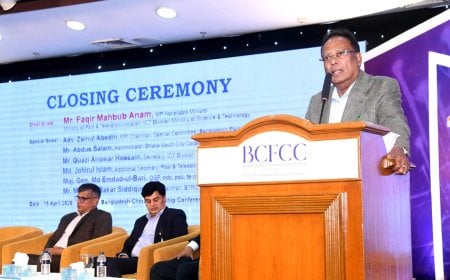
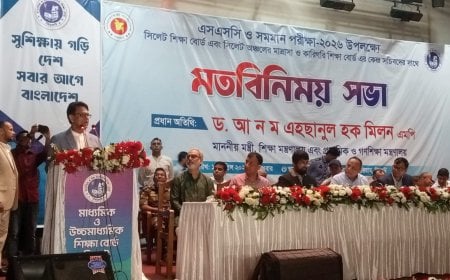
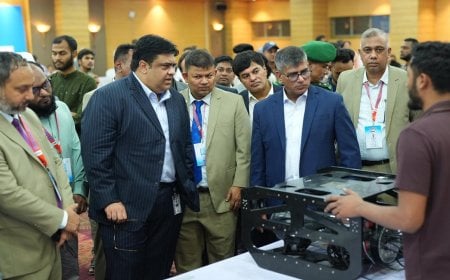
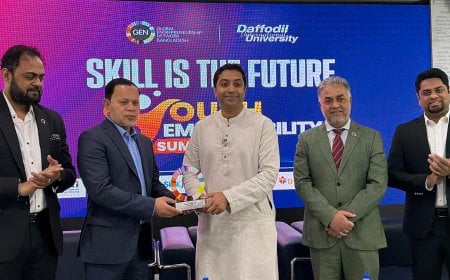
As part of this initiative, the three-day “National Demo Day 2026,” held at the auditorium of Bangladesh Parjatan Corporation in Agargaon, was inaugurated by Rehan Asif Asad, Adviser to the Prime Minister on Posts, Telecommunications and Information Technology, and Science and Technology.
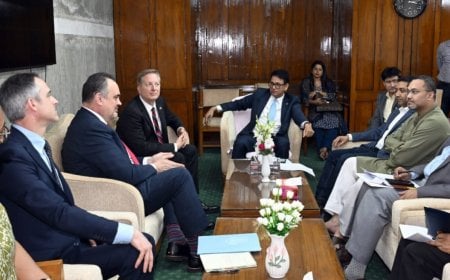
Chaired by Kazi Anwar Hossain, Secretary of the ICT Division, the event was also attended by Mohammad Anwar Uddin, Managing Director of the Bangladesh Hi-Tech Park Authority; Hosne Ferdous Sumi, Senior Private Sector Specialist at the World Bank; Manjur Mohammad Shahriar, Project Director of the DEIED project; along with domestic and international investors, representatives of financial institutions, and relevant officials.
According to available data, a total of 1,091 startups have received advanced training, of which 302 have progressed to the scale-up stage and participated in “National Demo Day 2026.” Consistent growth in revenue, employment, and valuation highlights the tangible impact of this initiative. At the same time, investment inflow is gradually increasing, signaling a positive outlook for the future.
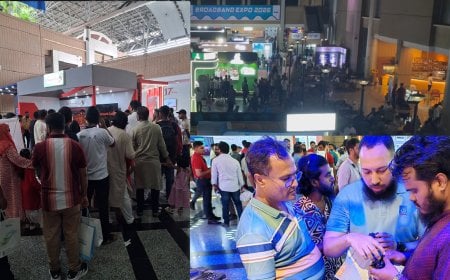
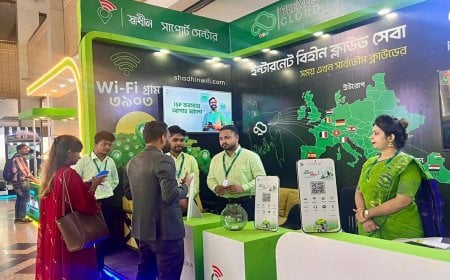
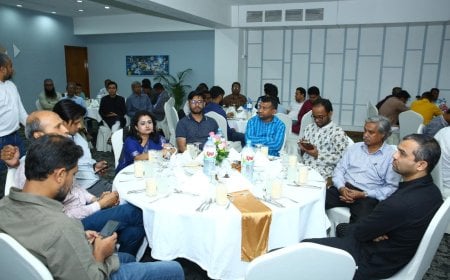
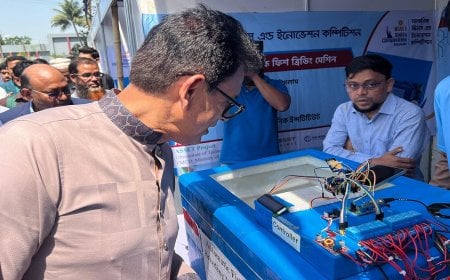
At “National Demo Day 2026,” startups from seven sectoral industries presented their business models to investors through session-based engagements and showcased their products and services at the expo. The three-day program was attended by leading banks, industrial enterprises, venture capital firms, and angel investors, creating real opportunities for entrepreneurs in terms of investment and market expansion.
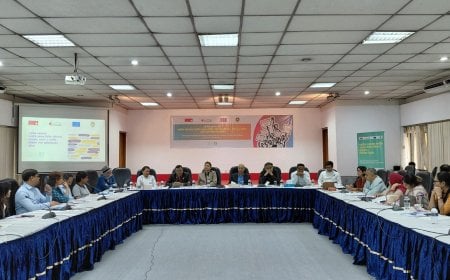
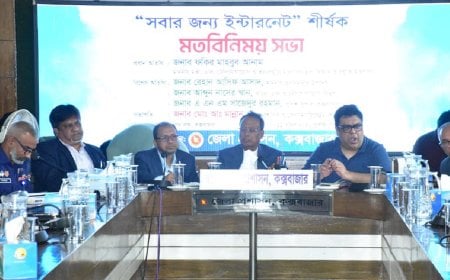
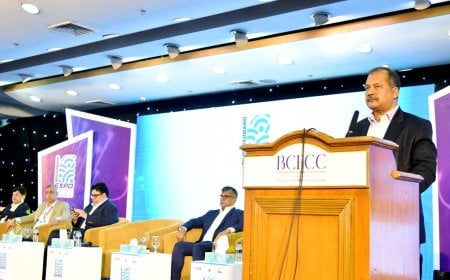
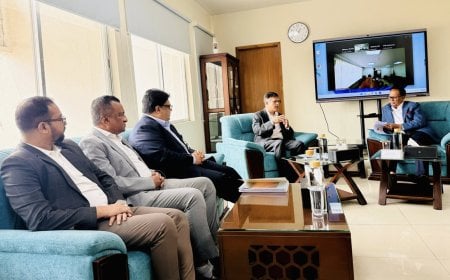
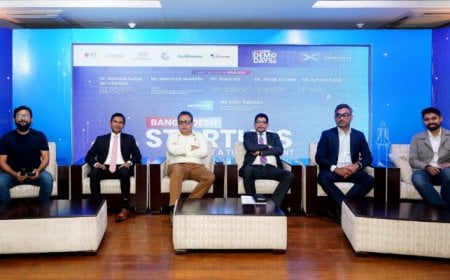
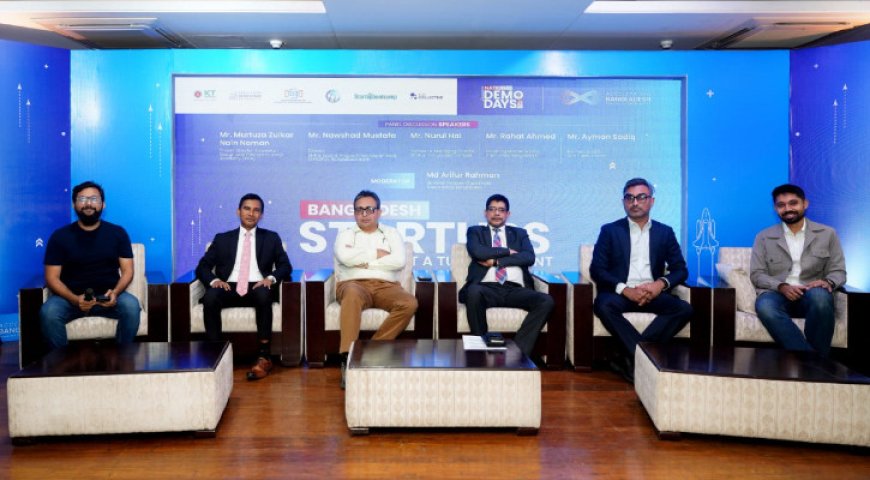
The most significant component of the event was the panel discussion held on the opening day titled “Startup Policy, Investment and Prospects.” This was not merely a formal session; rather, it served as an important platform for shaping the future direction of the country’s startup ecosystem.
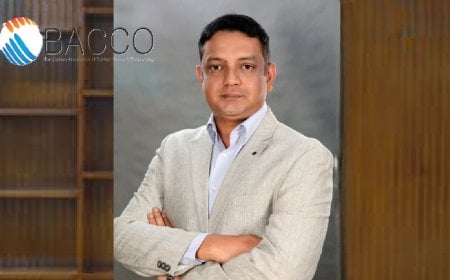
The discussion was moderated by Md. Arifur Rahman, National Program Coordinator of Accelerating Bangladesh. Panelists included Murtuza Zulkarnain Noman, Project Director of the Innovation Design and Entrepreneurship Academy (IDEA); Naushad Mostafa, Director of the SME and Special Programs Department at Bangladesh Bank; Nurul Haque, Managing Director of Startup Bangladesh Limited; Rahat Ahmed; and Ayman Sadiq.
The discussion highlighted various aspects of the startup ecosystem, particularly policy support, limitations in investment flow, real-world challenges faced by entrepreneurs, and opportunities for entering international markets.
Speakers noted that Bangladesh’s startup sector is no longer merely idea-based; rather, it is gradually evolving into an investable and scalable domain. To sustain this progress, long-term policy support, increased participation from local investors, and practical support frameworks for entrepreneurs are essential.
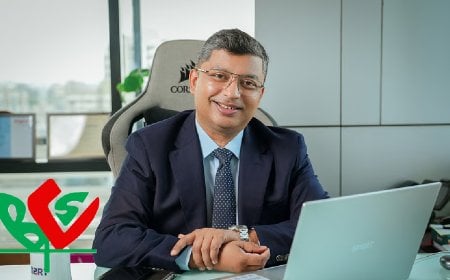
In this regard, Project Director Manjur Mohammad Shahriar stated that their goal is not just to create startups but to build a sustainable and investable ecosystem where innovation, policy support, and market linkage work in coordination to ensure sustainable growth for entrepreneurs. He added that with the right combination of policy, investment, and innovation, Bangladesh can quickly establish a strong position on the regional and even global startup map.
The panel discussion also emphasized the importance of enhanced coordination among the government, financial institutions, and the private sector. Experts stressed that beyond funding, mentorship, market access, and international connectivity are equally critical. Coordinated initiatives in these areas can enable Bangladeshi startups to strengthen their position in global competition.
At present, Bangladesh is in a transformative phase, where its startup ecosystem is gradually evolving into a structured and promising sector. In this journey, platforms like such panel discussions are extremely important, as they generate practical insights, policy direction, and future strategies.
DBTech/NA/EK/OR