

























































































































































Japan Jobs and Journeys: Syndicate, Students, and Skilled Migration




A Japanese syndicate agency has allegedly been charging excessive fees to send Bangladeshi workers abroad. In an effort to break this syndicate, Japan Cell has announced plans to send 100,000 workers to Japan annually, of which 30 percent will be students. Experts have recommended that student migration be made easier by introducing Japanese language training, technical education, and access to bank loans.
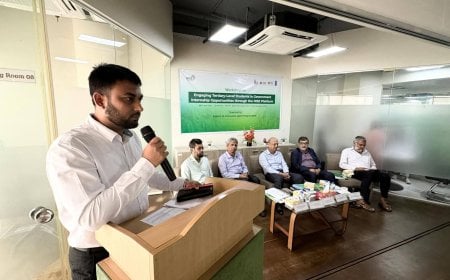
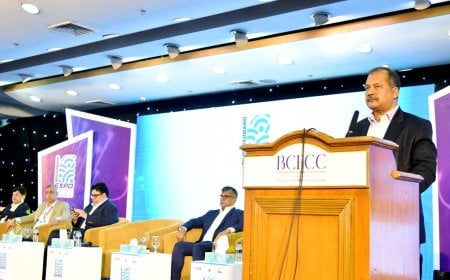
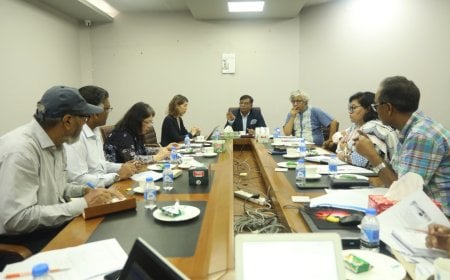
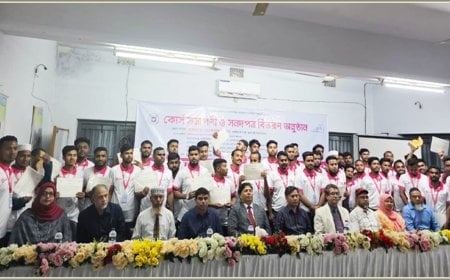
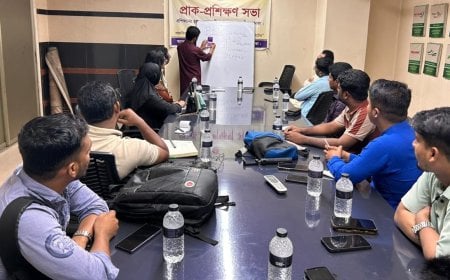
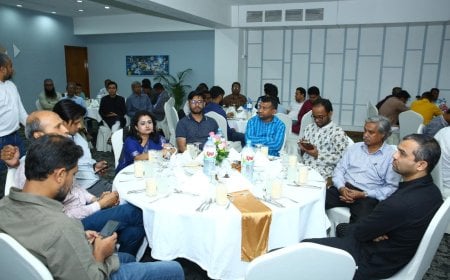
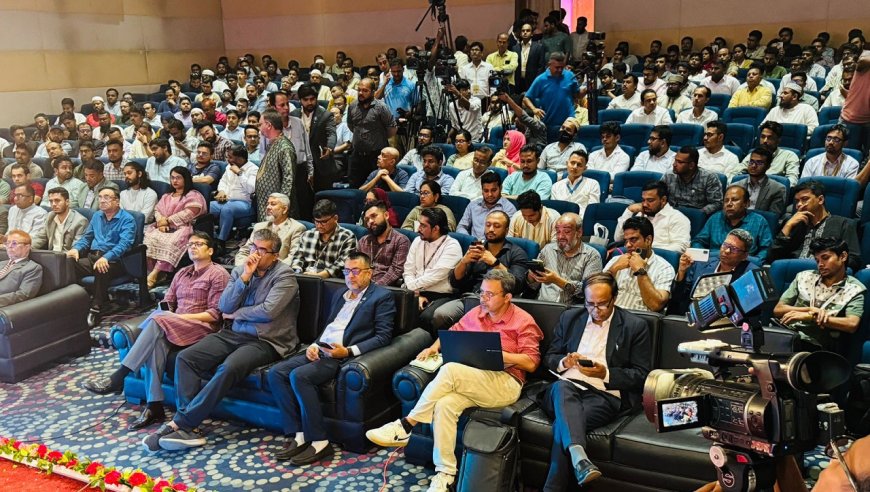
On Monday, August 18, speakers offered these recommendations at a seminar titled “Opportunities and Challenges in Higher Education and Worker Migration to Japan” held at the National Archives auditorium in Dhaka. The event was organized by the Association of Japanese Language Institutes in Bangladesh (AJLIB).
Chief Adviser’s Special Envoy on International Affairs, Lutfey Siddiqui, speaking as the chief guest, emphasized skill development. He said, “Our people often go abroad without acquiring proper skills and end up working for low wages. As a result, they struggle to cover their living costs and sometimes resort to crime for additional income. When we raise these issues with the concerned countries, they hardly respond.”
He further added, “Without making our people skilled, manpower syndicates are charging extra money to send them to Japan. These workers then work for low wages, struggle to survive, and eventually get involved in crimes for extra income.”
Quoting a Middle Eastern minister, Siddiqui noted that Bangladeshis constitute 25 percent of all foreign prisoners in that country. Warning against rushing into the Japanese labor market, he remarked, “Often we rush things, like trying to send thousands of workers within a very short time. That is why we are now facing difficulties in some Middle Eastern countries.”
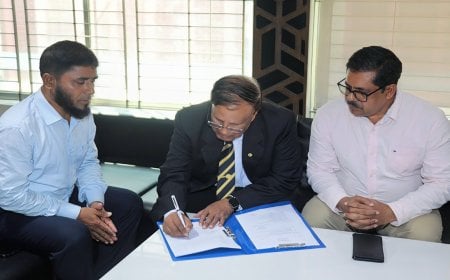
Siddiqui also pointed to discussions with the Bangladesh Investment Development Authority (BIDA) to streamline worker migration to Japan. He highlighted that Nepalese workers are enjoying greater opportunities than Bangladeshis due to reputation. “We often lack intention, or there is a problem with our reputation. That is why we see a big gap between us and Nepal. The gap is actually about reputation. Because of this, their visa rates are higher, while for us, visas are issued in smaller numbers. So reputation is important.” He also assured that steps will be taken to facilitate student migration with bank loans and other support, adding, “We are working from our side and the government’s side to see how we can help.”
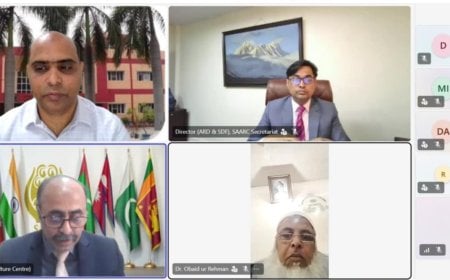
The seminar, supported by Top J Bangladesh and Bdjobs, was attended by special guests including Shahidul Islam Chowdhury, Head of Japan Cell; Policy Advisor Zia Ahsan; BIDA’s Head of Business Development Nahian Rahman Ruchi; and Bdjobs CEO Fahim Mashroor. Bangladesh’s Ambassador to Japan, Daud Ali, joined virtually.
Ambassador Daud Ali underscored the importance of skilled workers, saying, “For Japan, we must prepare skilled workers. Those who take the exams should pass 100 percent, so that quotas requested by Japanese companies do not remain unfilled. If more university students are allowed to sit for exams, they will be more motivated. We have already simplified tuition payment methods in consultation with Japan. The government will take steps to send 10,000 students next year. Japan is interested in both workers and students, but our workers must be properly trained.”
Special guest Galib Shahriar said, “Although AJLIB began its journey in 2018, the government was not our partner. Recently, however, we have sought government support. We want full cooperation from the government.”
Fahim Mashroor emphasized the need to prioritize student visas in labor migration. “If banks can give loans to entrepreneurs at home, why can’t they provide loans to outbound workers? They too are a type of entrepreneur. Remittances they send play a crucial role in driving the economy. We expect banks to provide migrants with loans of 500,000 to 700,000 taka.”
Japan Cell’s Policy Advisor Zia Ahsan noted, “Worker migration to Japan had not progressed earlier. The current government is now marketing the opportunity to send manpower to Japan. As a result, 40 new companies are now working with us to recruit workers. From next year, we will send 100,000 workers and students, with a larger portion being students.”
The seminar began at 4 p.m. with the national anthem, preceded by a moment of silence in memory of those killed in the July movement. AJLIB President Md. Wakil Ahmed presided over the seminar, while General Secretary Sirajul Islam conducted the program. Wakil Ahmed said, “For two decades we have been working on Japan. There was no guardian for sending Bangladeshis to Japan. We launched this initiative to fill that gap and to curb the dominance of manpower syndicates.”