





































Disaster‑Ready Dial‑up: Bangladesh Debates a National Emergency Telecom Plan



Bangladesh ranks among the world’s ten most disaster‑prone nations, according to the “World Risk Index 2023”. Frequent power cuts, impassable roads and a chronic shortage of backup fuel have repeatedly crippled vital services during cyclones, floods and earthquakes. Against that backdrop, participants at a two‑day workshop in the Bangladesh Telecommunication Regulatory Commission (BTRC) headquarters called for “a resilient, integrated National Emergency Telecommunication Plan (NETP) and a robust Cell Broadcast Early Warning System (CBEWS)” to guarantee life‑saving connectivity when conventional networks collapse.
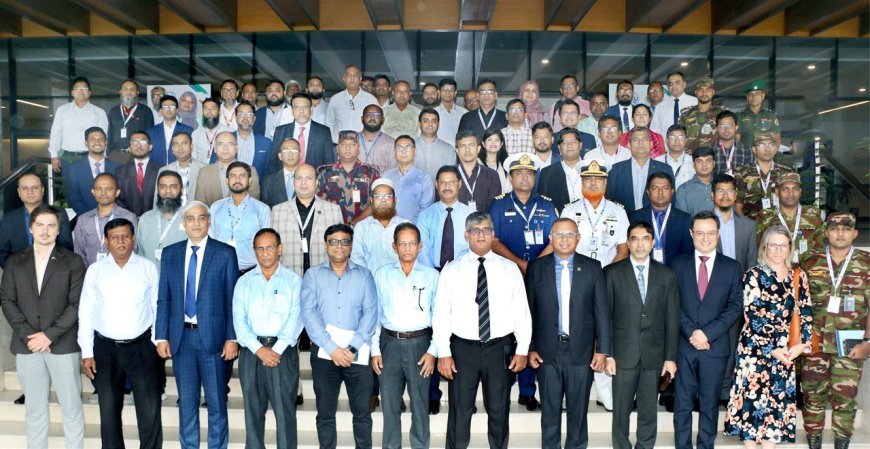
The workshop—titled “National Emergency Telecommunication Plan and Cell Broadcast Early Warning System”—convened telecom regulators, the Disaster Management Directorate, the Bangladesh Meteorological Department, the Water Development Board, the Armed Forces Division, the Red Crescent, UNICEF, the World Food Programme, the Asian Development Bank, the World Bank, mobile‑network operators, academics and a wide range of local and international specialists.
During the closing working session, more than 50 delegates—including Cyclone Preparedness Programme Director Ahmadul Haq, Meteorological Department Deputy Director Dr Mu Shamim Hasan Bhuiyan, BUET lecturer Dr Sonia Morshed and UNICEF Emergency Officer Abdullah Al Rezwan—agreed that “maintaining telecom lifelines is no longer optional in a country repeatedly battered by climate shocks.”
According to organisers, the meeting forms part of the UN‑led “Early Warning for All” initiative. Within that framework, “Pillar 3—Warning Dissemination and Communication—seeks to harness telecom networks to deliver fast, comprehensible alerts to at‑risk communities,” the organisers said.
Seven technical sessions assessed Bangladesh’s existing infrastructure, outlined coordination protocols among the Disaster Management Directorate, BTRC and other stakeholders, and mapped requirements for a sustainable emergency network capable of surviving extreme events. Separate sessions provided hands‑on training for flood, cyclone and earthquake cell‑broadcast alerts and explored nationwide implementation strategies with mobile operators.
The UN initiative, slated for completion by 2027, rests on four pillars: “risk knowledge and management, observation and forecasting, warning dissemination and communication, and rapid activation of response teams.” Workshop participants stressed that Bangladesh must strengthen all four if it is to meet its national motto: *“Banglar akash rakhībō mukta”—“We shall keep Bangladesh’s sky free.”









