





















































































































































Readiness Report Reveals Roadmap for Responsible AI



Bangladesh has officially launched its first Artificial Intelligence Readiness Assessment (RAM) report with the aim of building ethical, inclusive, and human-centric AI systems.
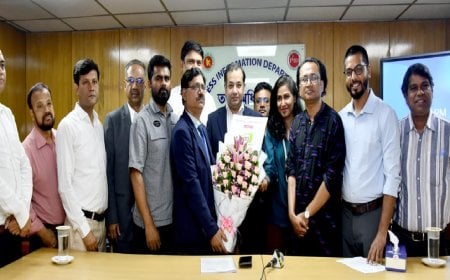
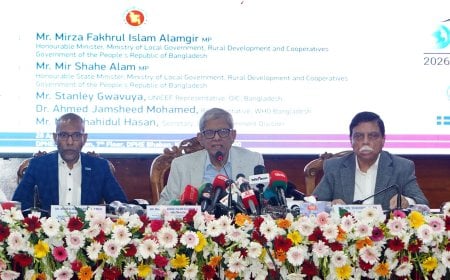
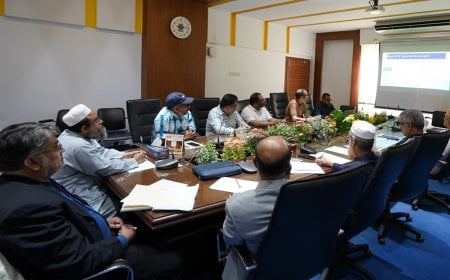
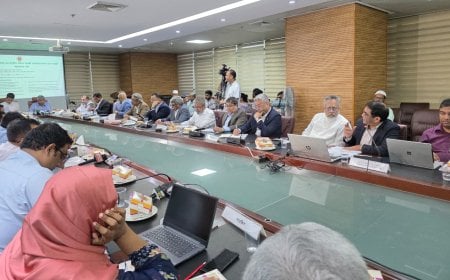
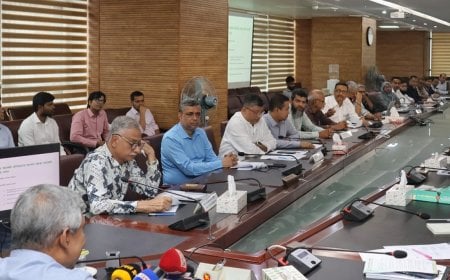
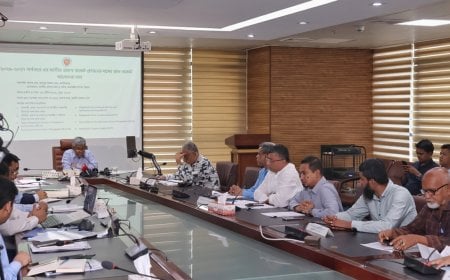
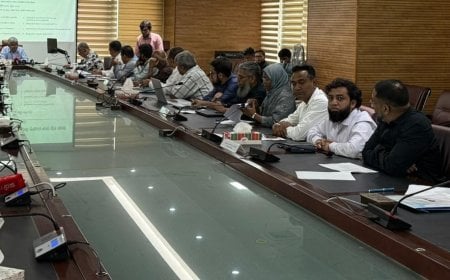
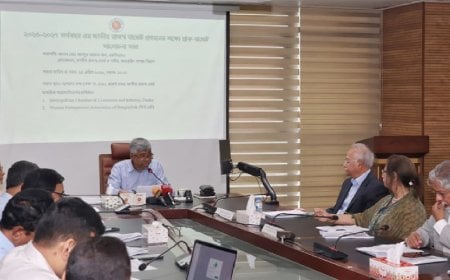
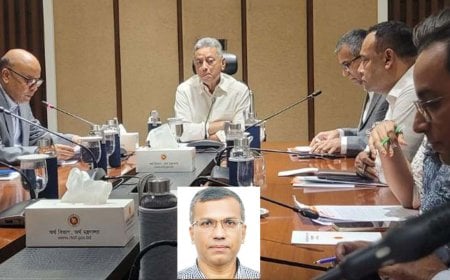
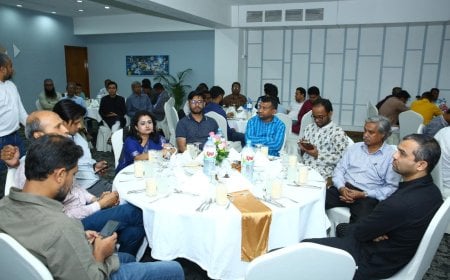
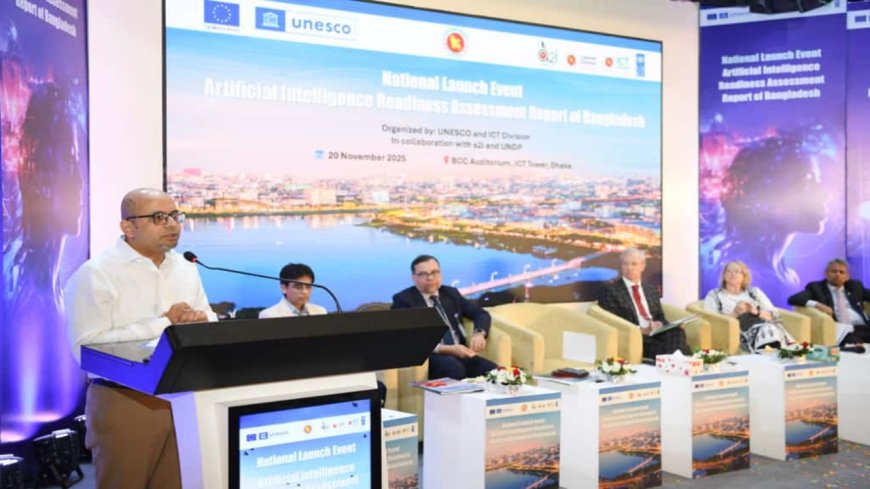
The event was jointly organized by the ICT Division, a2i, UNESCO, and UNDP Bangladesh on Thursday, 20 November, at the Bangladesh Computer Council auditorium located in the ICT Tower, Dhaka. Chief Guest at the event was Faiz Ahmad Taiyeb, Special Assistant to the Chief Adviser in charge of the Ministry of Posts, Telecommunications and Information Technology.
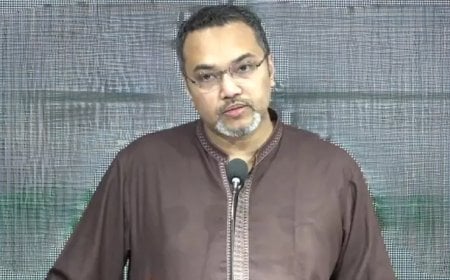
In his remarks, Faiz Ahmad Taiyeb said the assessment report has been released at a crucial time. Bangladesh is entering an era driven by artificial intelligence, where decisions taken now will shape society for decades. He added that the report provides a clear picture of the country’s current position and priority areas. The goal is to ensure that AI strengthens public institutions and protects citizens’ rights—rather than replacing human judgment or enabling exploitation.
ICT Division Secretary Shish Haydar Chowdhury emphasized the importance of the RAM report in the ongoing policy-making process, particularly in finalizing the National AI Policy. He underscored that policy decisions must be evidence-based.
UNESCO Bangladesh Country Representative Dr. Susan Vize described the RAM report as both “a mirror and a roadmap”—reflecting progress and challenges in governance, infrastructure, digital inclusion, and data systems while also offering a clear set of priority actions. She highlighted the need to strengthen data protection and cybersecurity, develop high-quality datasets in Bangla and indigenous languages, and ensure the full participation of girls and women in AI-related education and employment.
The report presents the first comprehensive view of Bangladesh’s institutional, legal, social, and technical readiness for AI. It notes that the country has already built a strong foundation in digital governance, with high levels of public trust in digital government services. However, it identifies persistent challenges such as irregular internet and electricity access outside Dhaka, gender- and rural-urban digital divides, limited high-capacity computing infrastructure, and gaps in data protection, cybersecurity, and AI-relevant skills.
Based on UNESCO’s AI policy guidelines, the assessment incorporates national-level data analysis and extensive consultations with public and private stakeholders.
The report is being considered a milestone for guiding Bangladesh in adopting AI in ways that uphold rights, promote inclusion, and strengthen public institutions.
The event was also attended by UNDP Bangladesh Resident Representative Stefan Liller, a2i Project Director (Joint Secretary) Md. Abdur Rafiq, EU Delegation to Bangladesh Head of Development Cooperation Michal Krejsa, and senior officials of the ICT Division.
DBTech/JE/IK/OR