
































































































Crosscutting Concerns: Debate Deepens Over New Telecom Licensing Policy



Telecom experts in Bangladesh have expressed concern that the four new guidelines drafted under the Telecommunications Ordinance primarily safeguard the interests of foreign investors and major telecom operators. According to them, the policy strategically extends the benefit of crosscutting licensing almost exclusively to these entities. They argue that instead of protecting domestic investors, the policy is structured to advance foreign commercial interests.
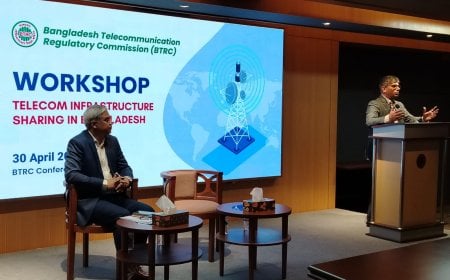
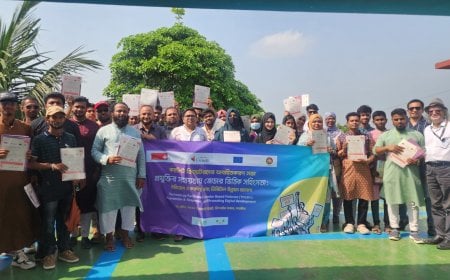
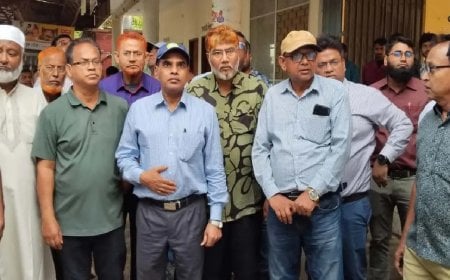
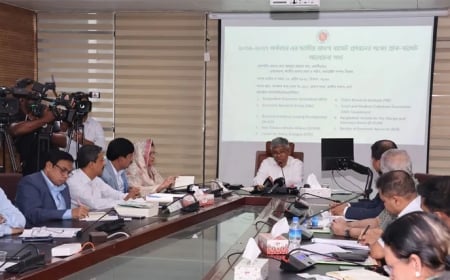
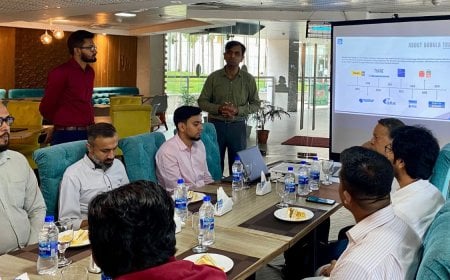
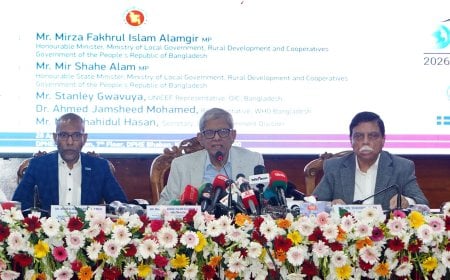
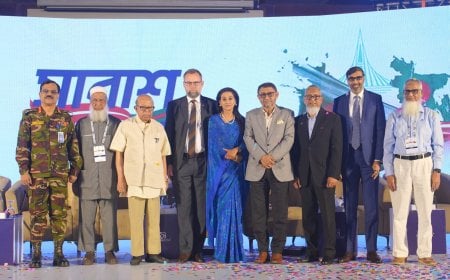
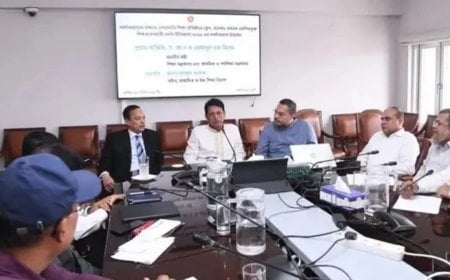
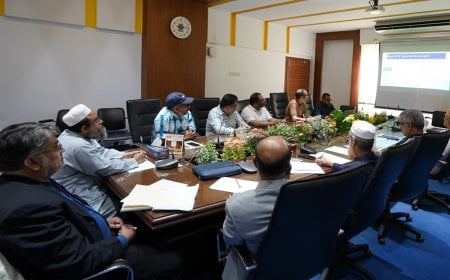
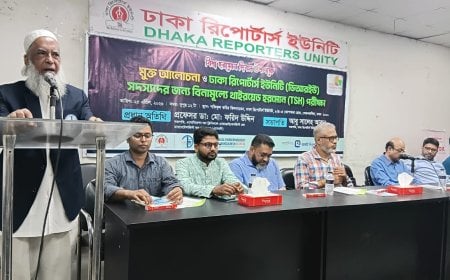
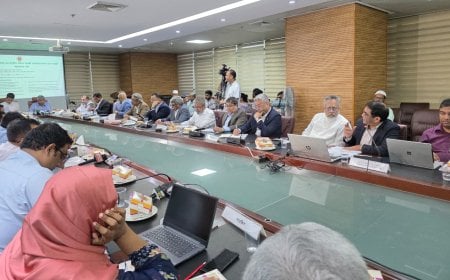
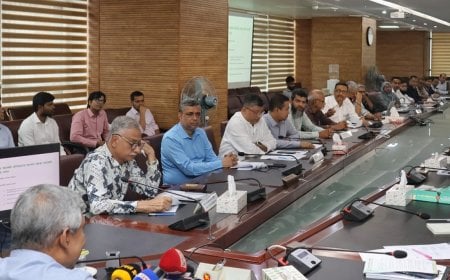
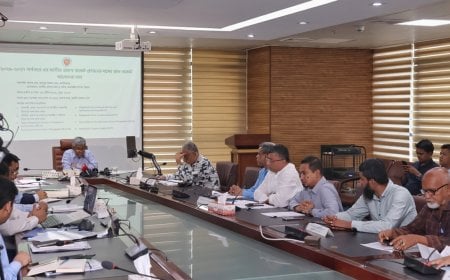
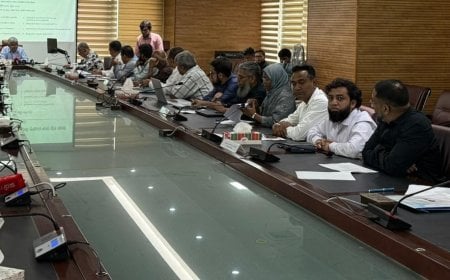
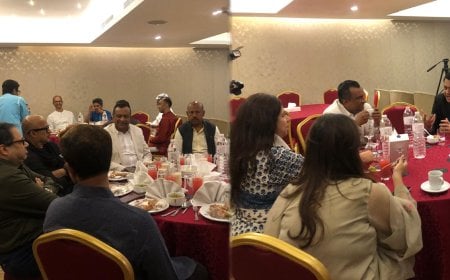
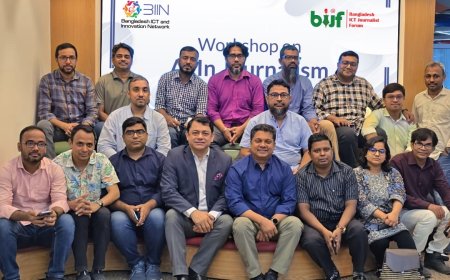
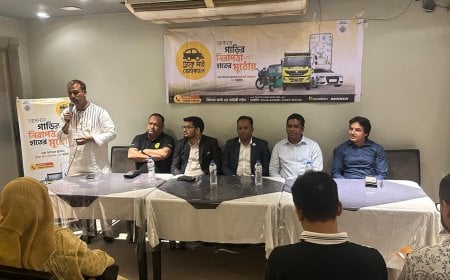
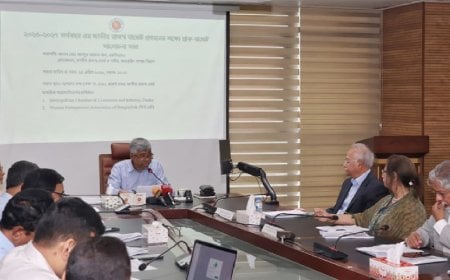
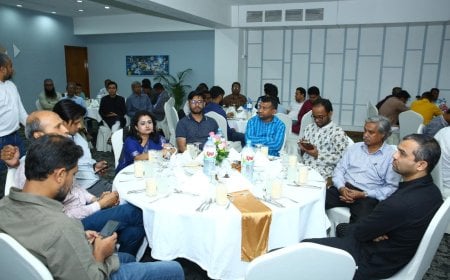
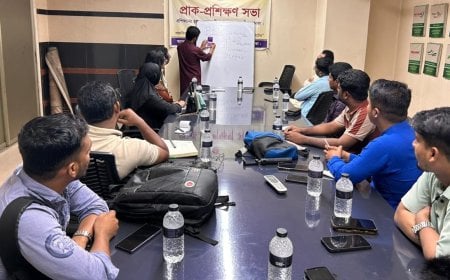
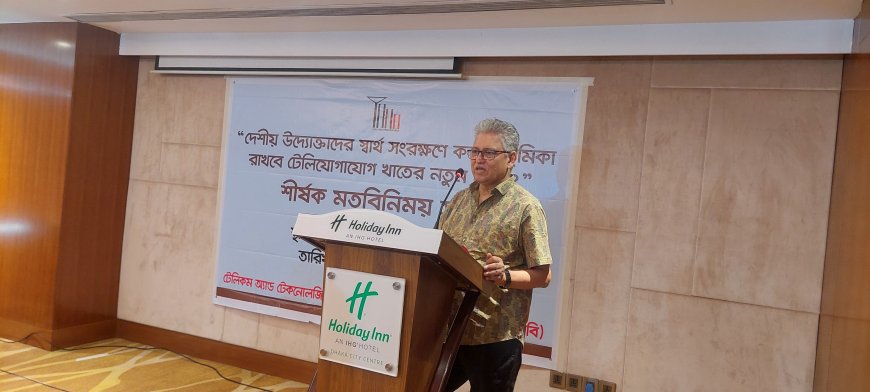
At a discussion titled “How Far Will the New Telecom Policy Protect Domestic Entrepreneurs?” organized by the Telecom and Technology Reporters Network Bangladesh (TRNB) on Saturday, November 8, several speakers voiced strong reservations. Participants expressed hope, however, that the government would ultimately resolve the emerging crisis on its own initiative.

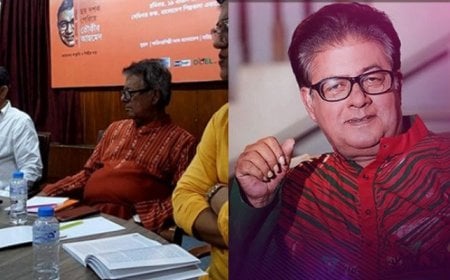
Senior journalist and political analyst Masud Kamal remarked that there is little to expect from the interim government, alleging that profitable sectors are gradually being handed over to foreign stakeholders. “They listen to everything, yet implement only what suits them. There is no alternative but to wait for an elected government,” he stated.
He further commented with irony, “When Yunus Sahib came to power, he said, ‘Feel free to criticize.’ But what we missed is the second part: ‘Say whatever you want, but I will not listen.’”
Sharing his personal experience, Masud Kamal said he has used SIM cards from multiple mobile operators in recent years but has not received satisfactory internet service. He now uses three SIM cards simultaneously but still faces unstable upload speeds and frequent disruptions.

Technology policy analyst Abu Nazm Muhammad Tanvir Hossain criticized the assertion that “the internet will never be shut down” under the new policy, calling it mere “posturing.” He explained that there may be legitimate situations requiring temporary, localized internet restrictions, and such actions must be governed by clear accountability protocols. “If the internet is shut down, there must be a directive specifying who will be responsible,” he said, emphasizing the need for a legally mandated committee to oversee such decisions.
He also argued that domestic entrepreneurs should be allowed meaningful investment opportunities in state-run Teletalk, enabling them to compete directly with foreign operators. However, under the current framework, the final decisions on major national licenses will be made by a five-member ministerial committee through the BTRC. He questioned, “In a service like telecommunications, which license is not significant?”

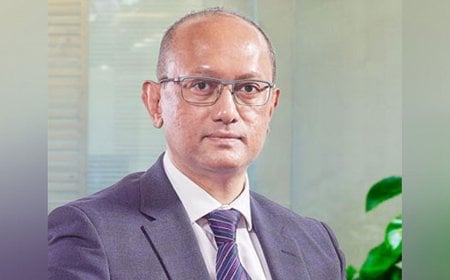
Mushfiq Manzur, CEO of the IGW Operators Forum, questioned why telecommunications reform is being prioritized while education and healthcare—sectors equally in need of reform—are overlooked. Citing the pharmaceutical reforms under the Ershad administration, he noted that sound policy enabled domestic pharmaceutical companies to achieve global production standards and offer life-saving medicines at affordable prices. “Telecommunications should follow a similar model,” he said.
Fiber@Home Deputy Managing Director Suman Ahmed Sabir noted that while post-July reforms in Bangladesh were inevitable, many now believe the proposed policy framework benefits foreign companies disproportionately. “If this truly is the blueprint, then we should simply be told clearly. We will step aside—and let foreign investors take over,” he said.
He warned that the policy allows one group to operate across all service layers, which could render domestic ISPs unable to survive. “If mobile operators are allowed to carry fiber all the way to households, then what exactly will thousands of small ISPs do?”
ISPAB President Aminul Hakim expressed cautious optimism based on assurances offered by the BTRC Chairman and a Special Assistant, but noted that domestic enterprises must see actual protective measures reflected in the final guidelines. He highlighted a key inconsistency: “We are designated as Fixed Telecom Service Providers (FTSP), while mobile operators are labeled Cellular Mobile Service Providers (CMSP). That distinction implies we provide fixed service and they provide mobility. Yet the guidelines simultaneously enable them to offer fixed-line fiber to homes. Then how do we survive?”
He added that the draft policy appears to prioritize the interests of mobile operators, granting them expanded business opportunities while imposing financial pressures on domestic ISPs.
Hakim urged journalists to ask policymakers about share transfer roadmaps and rollout obligations just as they do with network expansion requirements. “If you have the courage, show how global investors will work in every sector in the next ten years. If not, why hold Bangladesh hostage to them?”
He added that if the final guidelines—expected to be approved by November 13—do not include safeguards for domestic industry, stakeholders will have no alternative but to seek legal remedy.
Speakers also questioned why the license fee for foreign companies such as Starlink is set at Tk 12 lakh, while domestic ISPs are required to pay Tk 25 lakh. They noted that the licensing structure effectively merges cellular and fiber services into a unified license model favoring mobile operators.
DBTECH/IH/OR