








































Nintendo Raises “Switch 2” Price Amid Global Chip Crunch and Tariff Pressure
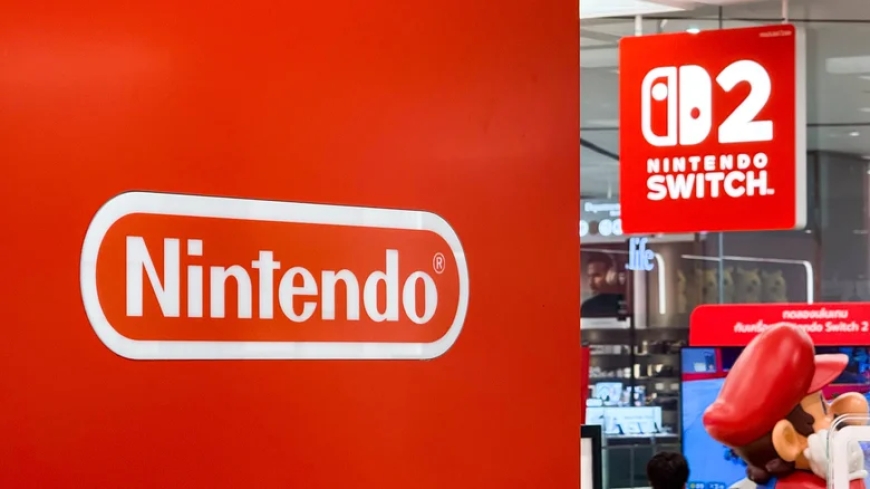



Japanese gaming company Nintendo has announced a price increase for its popular gaming console “Switch 2” amid rising global memory chip prices and the impact of U.S. tariff policies. The information was disclosed in the company’s latest earnings report published on Friday. In the United States, the console’s price has been increased by 50 dollars, setting it now at 500 dollars.
Price still lower than Sony despite increase
Despite the hike, Sony has raised the price of its PS5 console by nearly 150 dollars over the past year. Compared to that, Nintendo’s price increase remains relatively lower. However, analysts say a large portion of Nintendo’s fan base is young and highly price-sensitive, raising concerns that the price hike could negatively affect sales.
Strong growth but cautious outlook
Nintendo sold nearly 19.8 million “Switch 2” consoles in just the first three quarters of the last fiscal year. However, the company has reduced its sales target for the coming year to 16.5 million units. While many analysts had expected the figure to exceed 20 million, the company has taken a more conservative stance due to chip shortages and rising component costs.
In fiscal year 2026, Nintendo’s revenue surged by an extraordinary 98.6 percent compared to the previous year, reaching 2.3 trillion yen (approximately 14.7 billion dollars). However, due to rising memory chip prices and tariffs, the company may face additional costs of 100 billion yen next year.
Software boom offsets hardware pressure
Despite the hardware price increase, Nintendo’s software and game sales have surged significantly. A total of 185.6 million games were sold in the last fiscal year. Among them, “Mario Kart World” and “Pokémon Legends: Z-A” topped the charts.
Additionally, the recently released “Super Mario Galaxy” film has earned more than 800 million dollars within just four weeks.
Market analysts believe that rising component costs are prompting Nintendo to adjust its business strategy, with a growing focus on maximizing profits from software and game sales rather than hardware alone.
DBTech/BMT/OR









