



















































































































































Smart Surveillance: Tech-Driven Reforms Boost Border Security and Public Services




Alongside technology-driven reforms in administration, education, agriculture, energy, and citizen services, the government is also deploying advanced technology in border management. As a result of these initiatives, Border Guard Bangladesh (BGB) has achieved significant success over the past two months.
Due to the government’s zero-tolerance policy combined with modern surveillance systems, the rate of criminal arrests at the border has increased by nearly 700 percent. During the same period, border killings have decreased by approximately 75 percent, while the success rate of anti-drug and anti-smuggling operations has risen by 40 percent. Additionally, nearly 100,000 liters of fuel smuggling has been prevented.
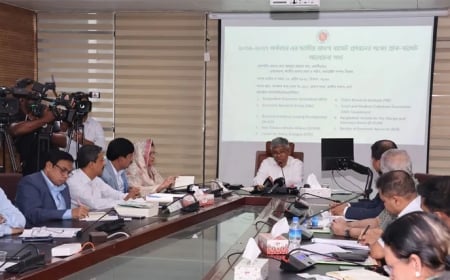
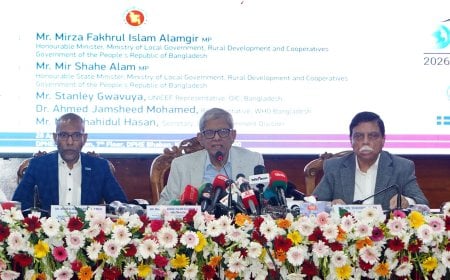
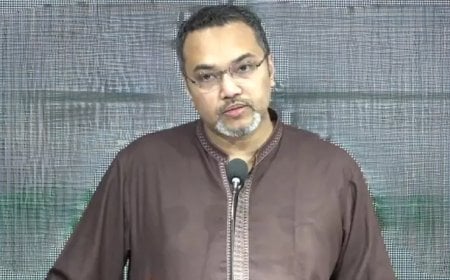
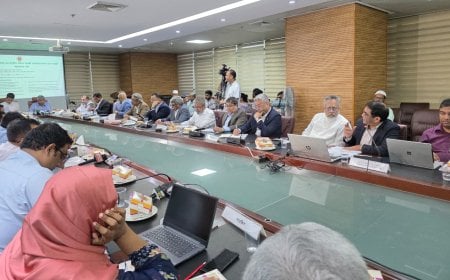
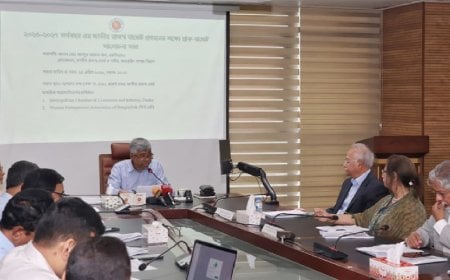
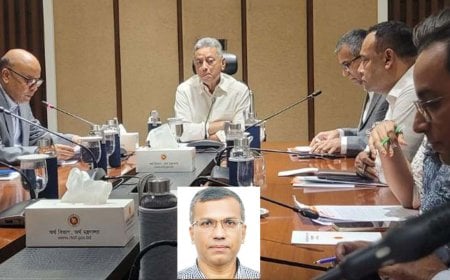
These figures were presented on Tuesday, 28 April, at a weekly press briefing at the Secretariat, based on progress reports from various ministries.
The Ministry of Public Administration stated that a time-bound action plan has been adopted to fill 500,000 vacant positions over the next five years. As part of this initiative, positions that can be filled within 180 days are being expedited through recruitment processes. In the Ministry of Public Administration alone, a target has been set to fill 2,879 vacant posts.
In the education sector, the government is accelerating the use of technology. Policies are in the final stages to manage the transfer of MPO-listed teachers and staff of private schools and colleges through software systems. Additionally, plans are underway to introduce nationwide initiatives such as “One Teacher, One Tab,” multimedia classrooms, and third-language education programs.
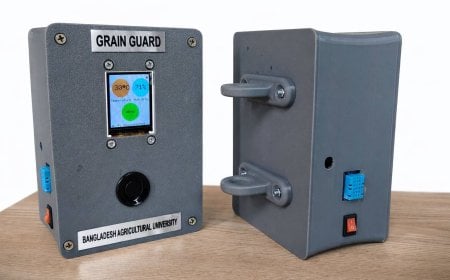
Digital transformation is also gaining momentum in agriculture. Following the successful pre-pilot of the farmer card system, work has begun to create a database containing 130 types of information for approximately 800,000 farmers across 15 upazilas by August 2026.
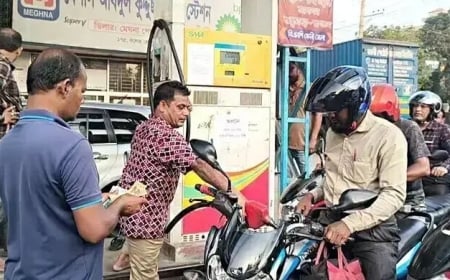
To enhance smart monitoring in fuel management, a fuel pass system has been introduced. Users can now register via a website to obtain QR codes. The use of fuel passes has been made mandatory for motorcycles at 11 filling stations in Dhaka.
The Power Division reported that real-time monitoring of demand and supply in the national grid has been strengthened. On 26 April, the country’s total electricity demand stood at 14,352 megawatts, against a supply of 12,487 megawatts.
The Local Government Division announced that a project has been approved to construct 170 “City Health Centers” to ensure accessible healthcare services in Dhaka North, Dhaka South, and Chattogram City Corporation areas.
Experts believe that the successful implementation of these initiatives will enhance administrative efficiency, improve service delivery, and accelerate the development of a technology-driven Smart Bangladesh.
DBTech/SH/EH/OR