































































































































































Sky, Steel & Silicon: Xpeng Accelerates Flying Cars, Robotaxis, Humanoids Push
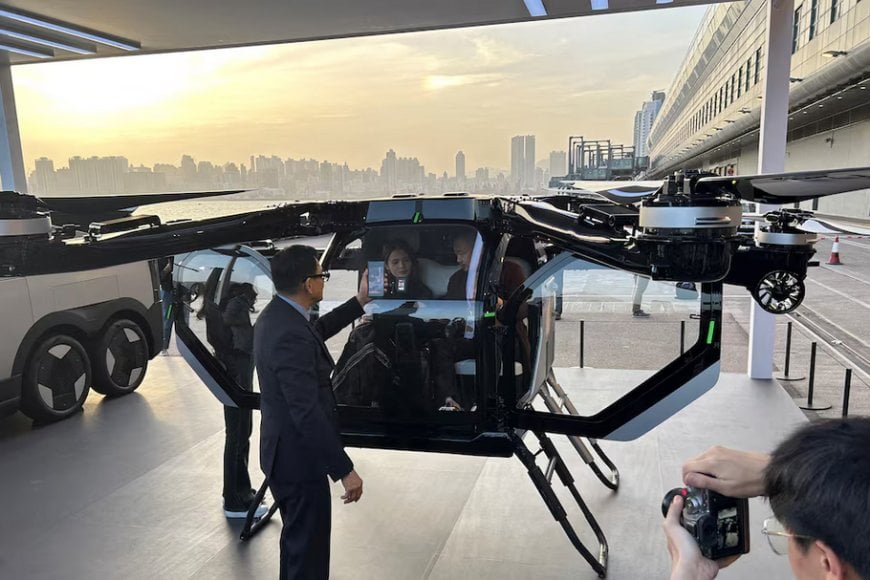



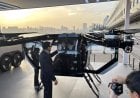
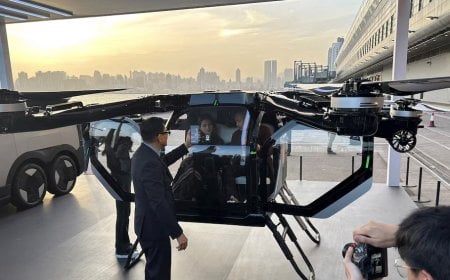
The dream of flying cars is now moving toward reality. Chinese electric vehicle manufacturer Xpeng has set a target to deliver “flying cars” to customers by 2027. At the same time, the company has announced plans to introduce human-like “humanoid robots” by the end of 2026 and begin trials of autonomous “robotaxis” within the current year.
Speaking in an interview with Reuters ahead of the Beijing Auto Show on Thursday (23 April), Xpeng President Brian Gu outlined this ambitious roadmap.
Strong demand for flying cars
Brian Gu said that more than 7,000 orders have already been placed for their flying car model, most of them from customers in China. However, the company is still awaiting necessary approvals from the country’s aviation authorities to allow these vehicles to fly. He expressed hope that large-scale production will begin next year, with deliveries to customers possible in 2027.
Robotaxi rollout and global ambitions
To revolutionize autonomous mobility, Xpeng plans to begin robotaxi trials this year in the Chinese city of Guangzhou. Brian Gu stated that 2027 will be a “critical year” for robotaxi testing globally, involving international partners. Within the next 12 to 18 months, the company aims to produce hundreds to thousands of robotaxis.
Humanoid robots as human substitutes
Beyond automobiles, Xpeng is also aiming to expand into robotics. By the final quarter of 2026, the company plans to begin production of humanoid robots. Initially, these robots will be used as receptionists or for interacting with customers in showrooms. According to Brian Gu, within the next 10 to 20 years, the scale of Xpeng’s robotics business could surpass its car business.
Partnership with Volkswagen
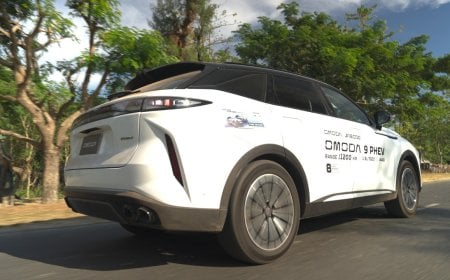
The company has already begun joint electric vehicle production with German automaker Volkswagen since last month. Brian Gu said there is significant potential to further expand this partnership, adding that the company is open to collaborating with different firms across various regions of the world.
Currently operating in around 60 countries, Xpeng aims to generate a large portion of its revenue from international markets. Last year, 15 percent of its revenue came from overseas markets, and the company has set a target to increase this to 50 percent within the next 5 to 10 years.
DBTech/BMT/OR