













































































BTRC Rules Out Revenue Sharing for ISPs




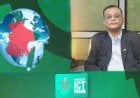
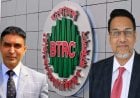
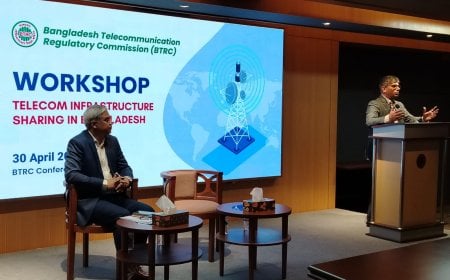
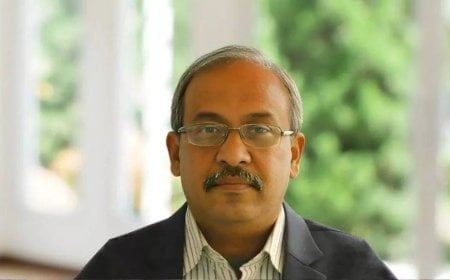
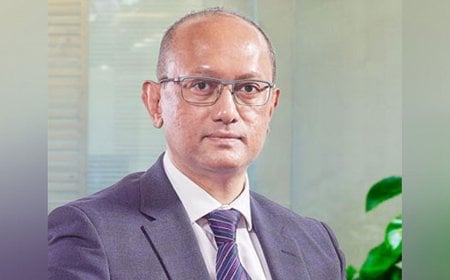
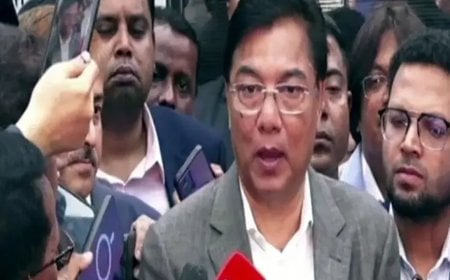
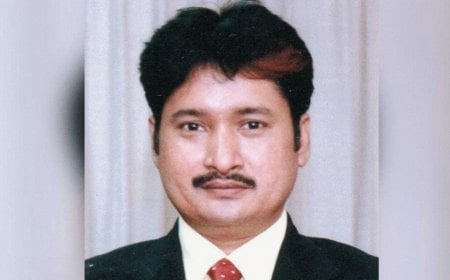
Bangladesh Telecommunication Regulatory Commission (BTRC) Commissioner Brigadier General (Retd.) Iqbal Ahmed has made it clear that Internet Access Providers (IAPs) will not be required to share revenue. At the same time, he said that while a tariff ceiling may be imposed on mobile operators, a tariff floor should not be enforced.
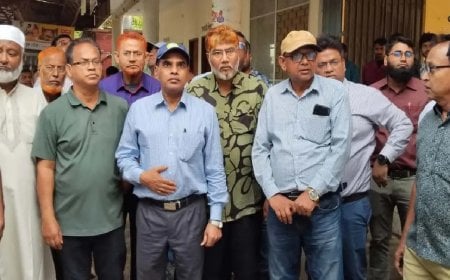
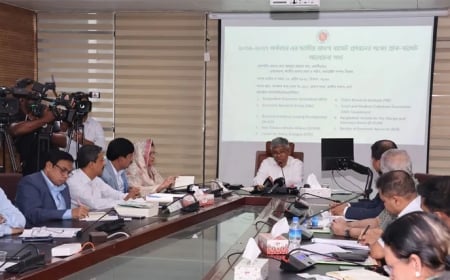
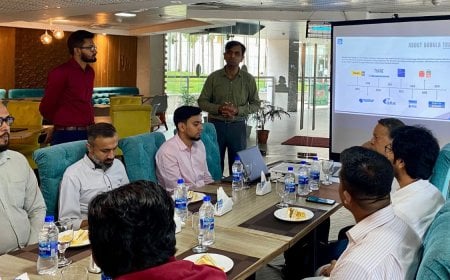
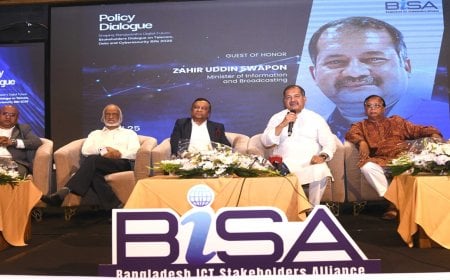
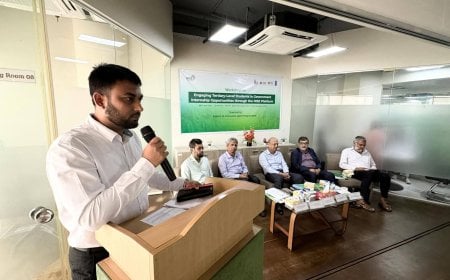
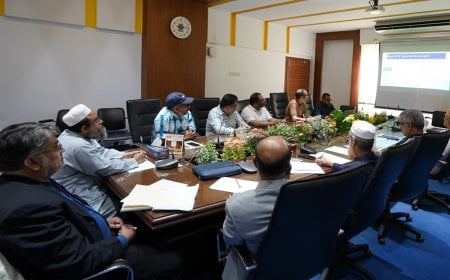
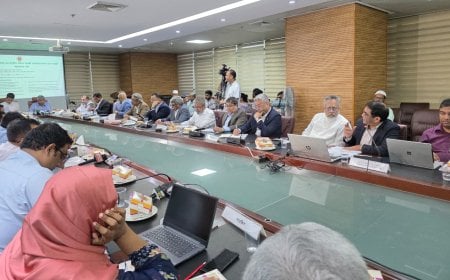
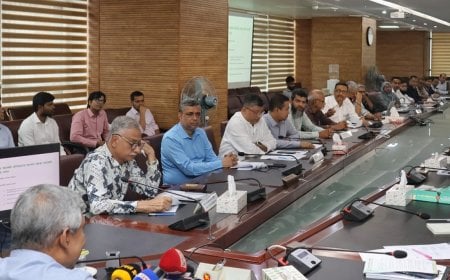
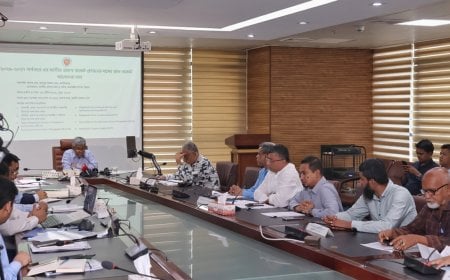
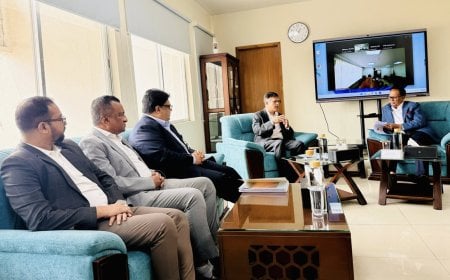
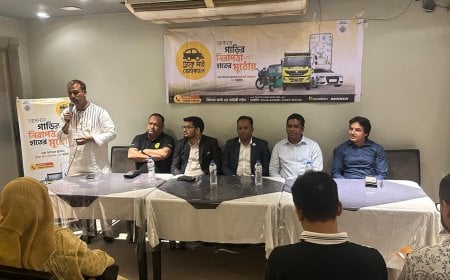
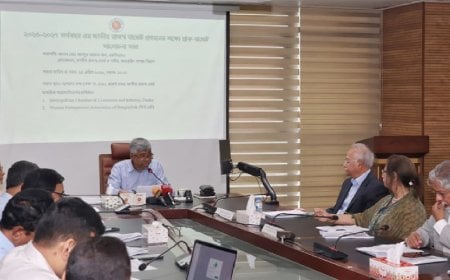
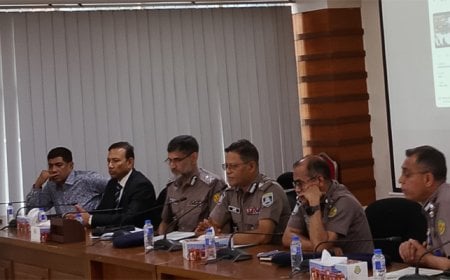
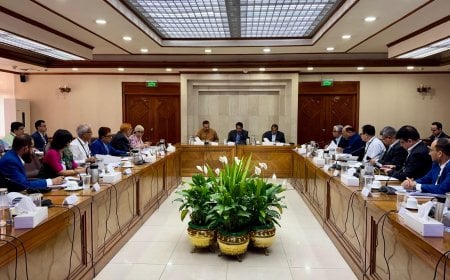
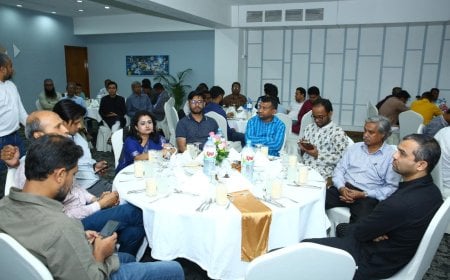
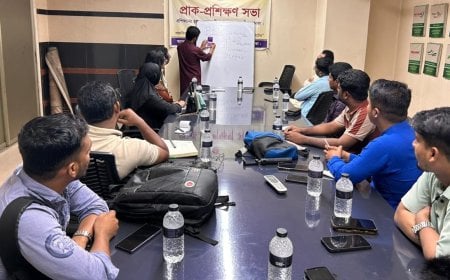
He made the remarks while responding to a question at a discussion titled “Reform Agenda for the ICT and Telecom Sector”, held on Wednesday afternoon at Karwan Bazar in the capital.
The BTRC commissioner said the issue of revenue sharing with ISPs or FTSPs is no longer under consideration. “Although it has not yet been officially published, an announcement will be made soon. IAPs will not have to share revenue,” he said.
Responding to a supplementary question, he added, “ISPs are not sharing revenue now. How would they? The guideline itself has not yet been approved. Naturally, we want to ensure that revenue sharing does not exist in this sector.”
Noting that Bangladesh currently has around 17.3 million broadband subscribers, Brigadier General (Retd.) Iqbal Ahmed said that if the government can collect 15 percent VAT from these subscribers through proper mechanisms—even though VAT collection is not the commission’s responsibility—the amount generated would be substantial. “If we can ensure proper NCO mechanisms, the VAT revenue alone would be significant enough, eliminating the need for revenue sharing,” he added.
He also observed that although BTRC was once regarded as a “golden goose,” the commission is gradually moving away from that perception. “The new policy carries that indication. To allow the digital economy to flourish, the telecom sector must function as an enabling sector. This will create at least ten times more employment opportunities, enabling the government to generate more revenue in the long run. I hope that more people-friendly policies will be adopted during the tenure of a people’s government,” he said.
The BTRC commissioner also said that the issue of mobile data price hikes is being reviewed. He noted that the crisis in the telecom sector began after BTRC’s independence was curtailed in 2010, and shared expectations regarding telecom policy reform.
He explained that the newly formulated Networking and Licensing Regime 2025 replaces the earlier ILDTS policy, which defined the country’s telecom infrastructure and topology. “That policy had become outdated and could not accommodate new technologies or add value. It benefited certain businesses more than consumers, resulting in declining service quality. That is why reform was long overdue,” he said.
He further noted that the previous system had six to seven layers, which have now been reduced to three to four layers under the new policy.
Acknowledging that fear and hesitation are natural when adopting something new, he said consultations are ongoing to incorporate existing operators into the new licensing framework. “Although it may appear at first glance that many licenses are being cancelled, opportunities still exist for them at different levels. However, it will not be possible to accommodate everyone. Competition is inevitable, and consolidation may occur,” he said.
He emphasized that the new policy prioritizes public interest over government or business interests. “Active sharing will save significant resources and foreign currency,” he added.
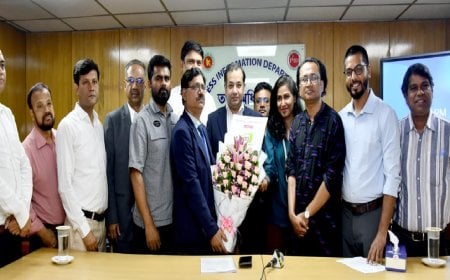
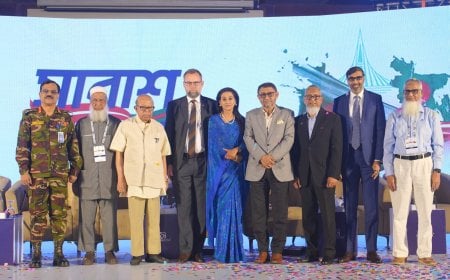
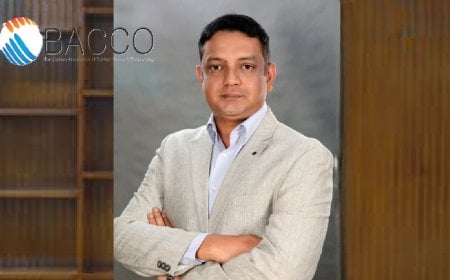
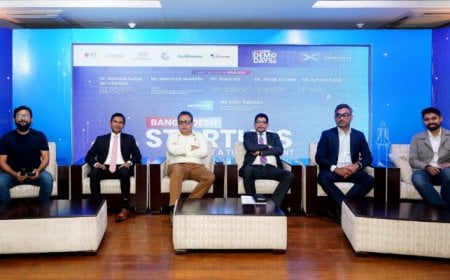
The discussion was jointly organized by Voice for Reform, a civic platform, and the Technology Industry Policy Advocacy Platform (TIPAP). The chief guest was the Chief Adviser’s Special Assistant Faiz Ahmad Taiyeb. The session was chaired by ICT expert Fahim Mashroor, with speeches from telecom expert Mahtab Uddin Ahmed, BACCO President Tanvir Ibrahim, and Professor Niaz Asadullah, head of the ICT Division’s White Paper Publication Task Force, among others.
DBTech/IH/MUM/OR