








































































Stakeholders Slam Draft Telecom Guidelines Over Market Imbalance and Rising Cost Concerns
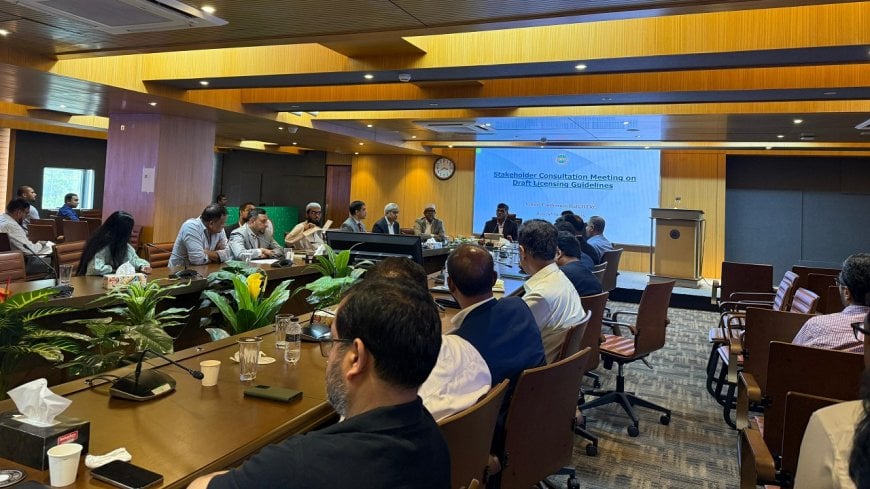


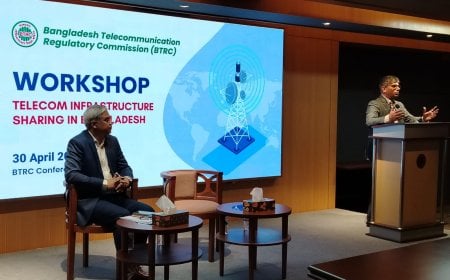
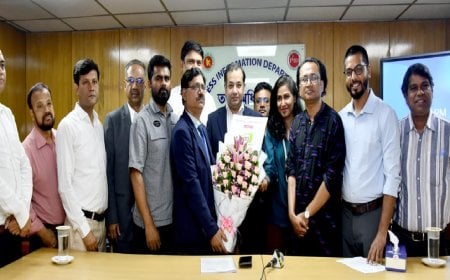
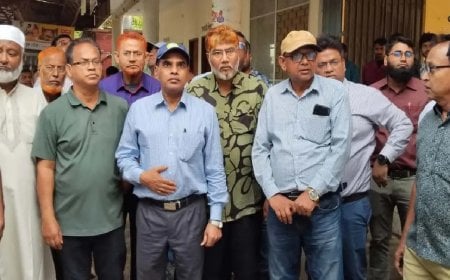
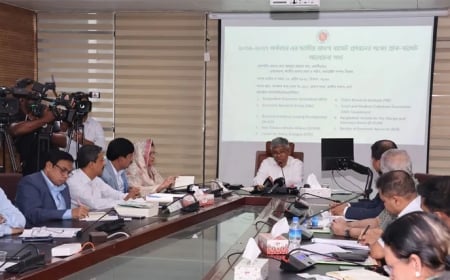
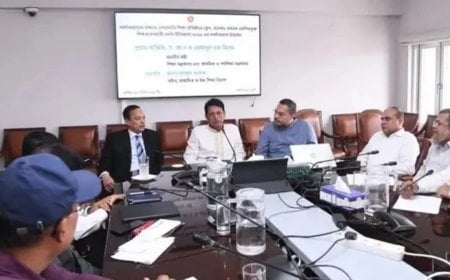
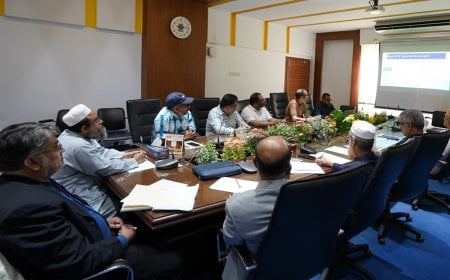
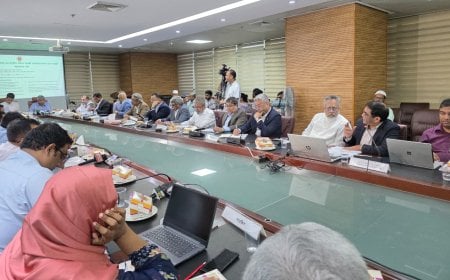
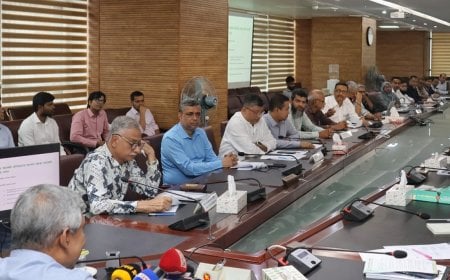
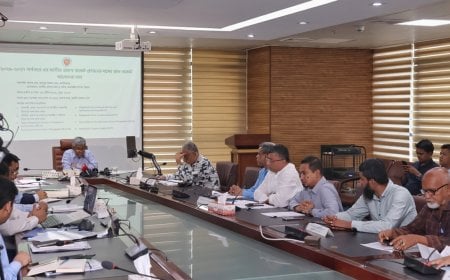
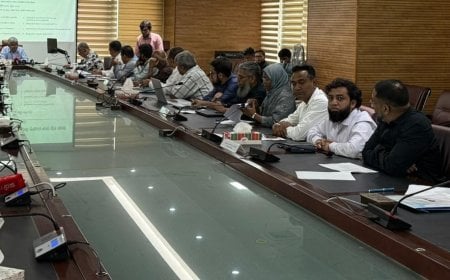
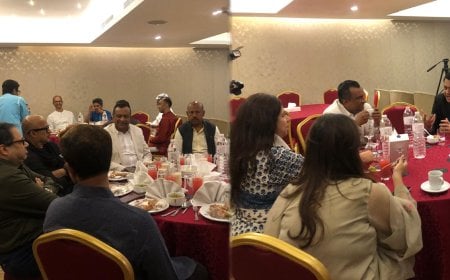
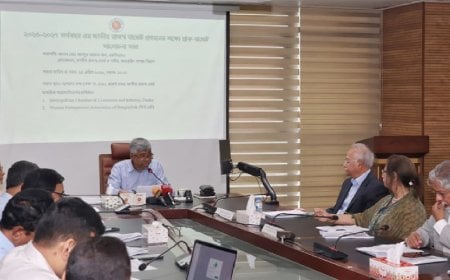
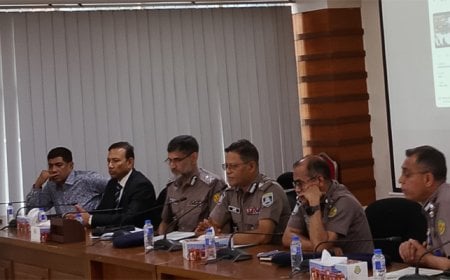
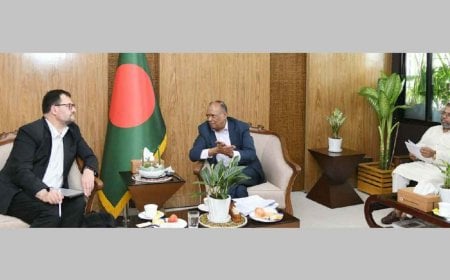
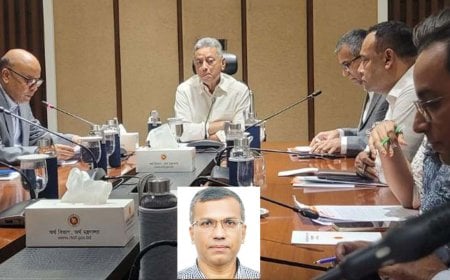
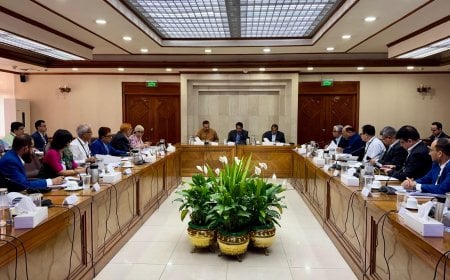
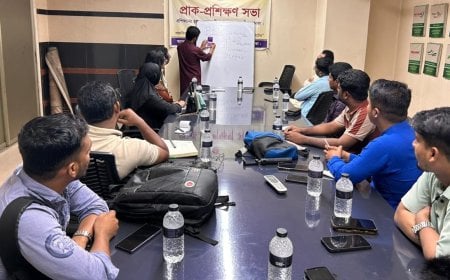
Bangladesh Telecommunication Regulatory Commission (BTRC) held a five-hour-long stakeholder consultation on Thursday, November 6, regarding four draft guidelines prepared under Telecommunication Networking and Licensing Policy 2025. The meeting was attended by representatives from ISP, IIG, IGW, NTTN, submarine cable companies, tower companies, and mobile operators. Leaders of ISPAB and AMTOB also took part in the discussion.
The meeting, chaired by BTRC Chairman Major General Md. Emdad Ul Bari (Retd), was also attended by Vice Chairman Md. Abu Bakar Siddique; Commissioner, Spectrum Division, Mahmud Hossain; Commissioner, Engineering and Operations, Brigadier General Iqbal Ahmed (Retd); Commissioner, Legal and Licensing, Abdur Rahman Sardar; along with Directors General of all relevant divisions.
Held at the BTRC conference room, all stakeholders except the mobile operators submitted written critiques of the draft policy. The primary criticism across the floor was directed at mobile operators, with allegations that the proposed guidelines disproportionately favored the four cellular companies. Participants argued that the draft structure, divided into four layers, effectively ensured dominance for foreign-owned service providers in multiple licensing categories.
Business representatives also raised concerns over excessively high license fees. Additionally, the proposed revenue-sharing obligations and mandatory contributions to the Social Obligation Fund (SOF) were described as potential threats to the sustainability of internet services. Collectively, stakeholders warned that VAT, taxes, revenue sharing, and SOF charges could result in future increases in internet prices.
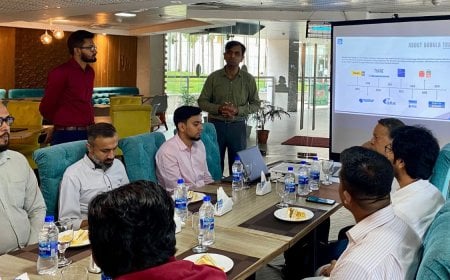
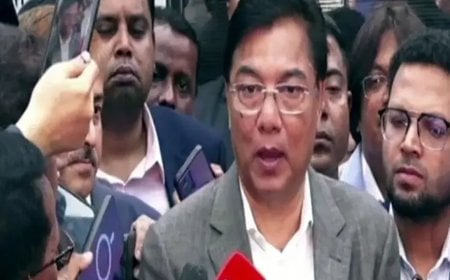
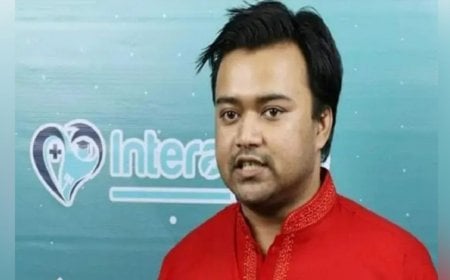
Alongside expressing concerns, three newly categorized licensing groups made their respective presentations. ISPAB President Aminul Hakim presented the demands of the newly proposed Fixed Telecom Service Providers (FTSP). On behalf of National Infrastructure and Connectivity Service Providers (NICSP), Vahon Ltd. COO Farid Mohammad Rashed Amin Bidyut presented the position of NTTN and tower company licensees. Meanwhile, Novotel director and InterCloud Ltd. CEO Md. Hasibur Rashid spoke for International Connectivity Service Providers (ICSP), created by merging IIG, IGW, ITC, and submarine cable licenses.
During the session, ISPAB Chattogram Division Convenor Rajib Shahriar Romance pointed out that although AMTOB Secretary General Mohammad Zulfikar was present, mobile operators provided no presentation. Jokingly, he said:
“If the mobile operators had made a presentation on these new telecom policies and guidelines, it would have contained only one slide saying, ‘Thank You Very Much.’”
Participants included: Robi Axiata’s Company Secretary Shahed Alam; Banglalink Deputy CEO Zaharat Adeeb Chowdhury; Grameenphone Head of Technology Regulatory Affairs Ishtiaq Ahmad Khan; edotco CEO Adlan Tajuddin; American Tower Corporation CEO Steven Vondran; Frontier Tower Services Inc. Head Jaime Timian; Brigadier General Tamjid-Ul-Haque Chowdhury (Retd) from Summit Communications; Fiber@Home COO Mashiur Rahman and CSO Suman Ahmed Sabir; and Submarine Cable Company Director Ariful Haque.
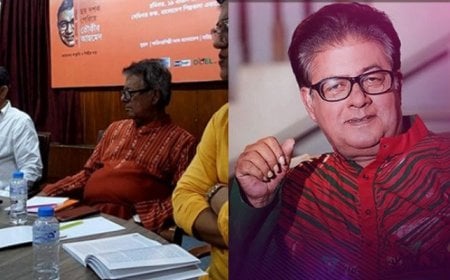
ISPAB leaders were among the most vocal. They opposed allowing mobile operators to independently roll out fiber and provide WiFi connectivity as Fixed Wireless (FW) operators. They argued that free spectrum in ISM 2.4, 5, and Lower 6 GHz should remain reserved for ISPs only. ISPAB also appealed for simplified procedures and reduced fees for businesses transitioning from proprietorship to private limited and public limited entities. “If mobile operators are granted FW privileges, then there is no need for any guideline at all,” remarked ISPAB President Aminul Hakim.
ISPAB Secretary General Nazmul Karim Bhuiyan added that mandatory revenue sharing and SOF contributions would inevitably raise internet prices for consumers. He also proposed that in any ward, up to five NTTN providers should be allowed to establish PoPs across three unions, with geographic rights protected for 20 years.
Stakeholders argued that the 65% foreign investment eligibility requirement for obtaining the NICSP license, along with mobile operators’ ability to independently connect fiber to towers, IBS, DAS, and PoPs, is discriminatory. “If mobile operators gain cross-ownership advantage under CMSP guidelines, they will dominate the market and eliminate competition,” said Farid Mohammad Rashed Amin Bidyut.
Meanwhile, proposals were raised to divide the ICSP license into two tiers—keeping submarine cable operations in one category, and reclassifying others as facility-based or facility-less operators.
Speaking for NTTN licensees, Mashiur Rahman said, “Since the internet is a service commodity, VAT and tax should be applied at only one level.” Suman Ahmed Sabir added, “If BTRC must collect so many taxes and fees, then BTRC should simply act as a revenue collector.”
BTRC Chairman Emdad Ul Bari immediately rejected the suggestion, stating: “BTRC cannot be a revenue collector.”
Meeting sources confirmed that the Chairman assured no policies would be included that would harm small domestic entrepreneurs. He also indicated the possibility of revising the mobile operators’ FW privileges to create clear distinctions with fixed operators. Local-level ISPs are also likely to receive authorization to extend fiber from NTTN PoPs to the last mile. Additionally, district-level FTSPs may soon be permitted to provide all internet-dependent services and may apply for FTSP licensing after proving eligibility over a one-year period.
Mobile operator representatives did not respond to the criticisms raised during the meeting. They instead expressed an expectation of “international best practices and operational independence” in regulatory frameworks.
The stakeholder consultation, which began at 11:00 AM, concluded at 4:30 PM. Follow-up multi-party meetings on license guidelines are expected.
The deadline for submitting comments and recommendations on the draft guidelines has been extended until 12:00 PM on November 9. Feedback may be submitted using the specified format to: [email protected], [email protected], [email protected], and [email protected].
DBTech / IH / IK / OR