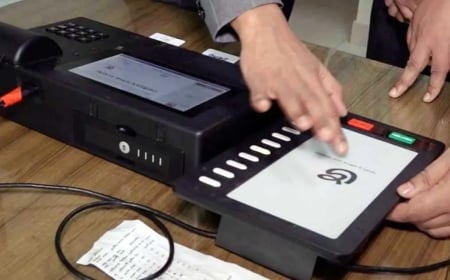
With online gambling activities rapidly increasing across various websites, mobile apps, and social media platforms—fueling illicit financial outflows and posing serious social risks—Bangladesh authorities have intensified discussions on technological and regulatory countermeasures. At the forefront of the conversation stood the National Equipment Identity Registrar (NEIR) and the National Telecommunication Monitoring Centre (NTMC), two systems expected to play a central role in curbing online gambling, betting, and pornography.
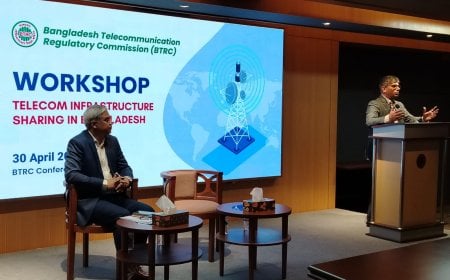
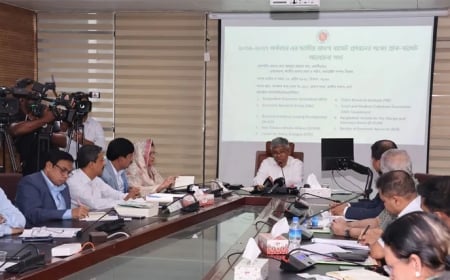
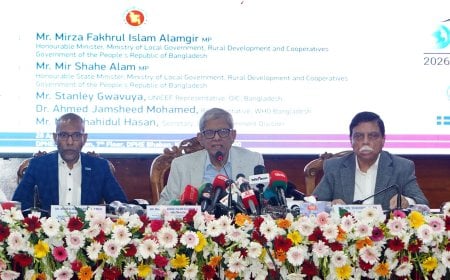
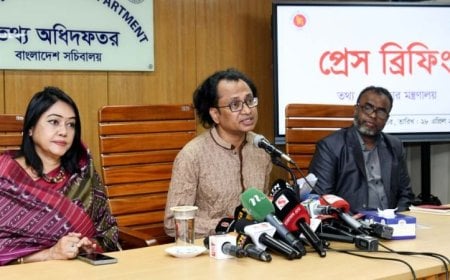
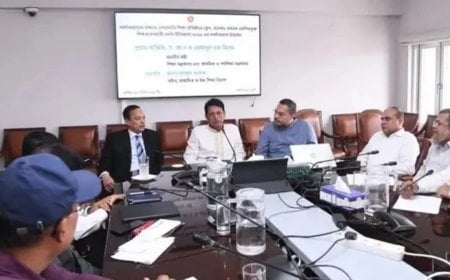
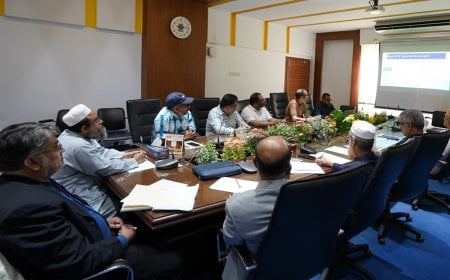
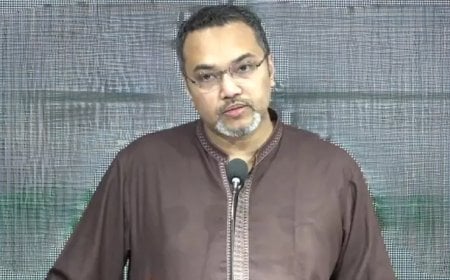
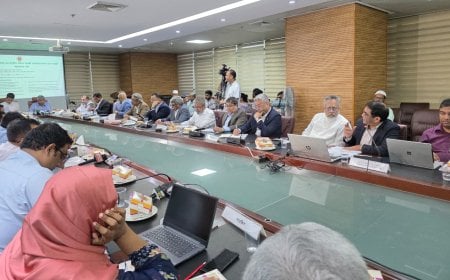
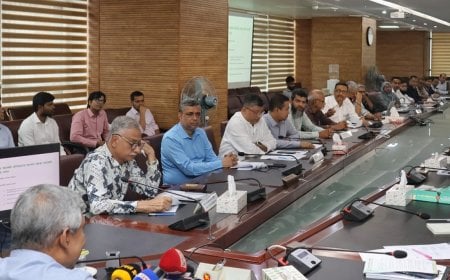
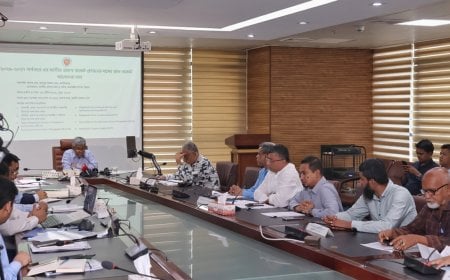
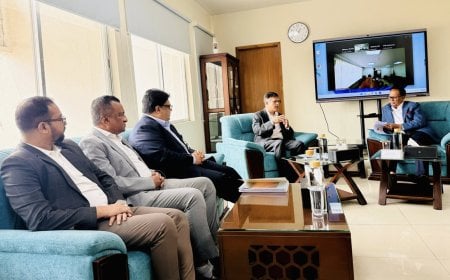
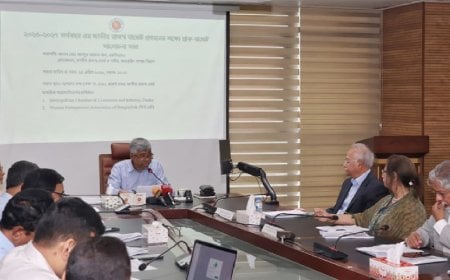
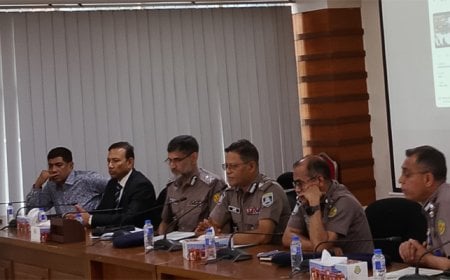
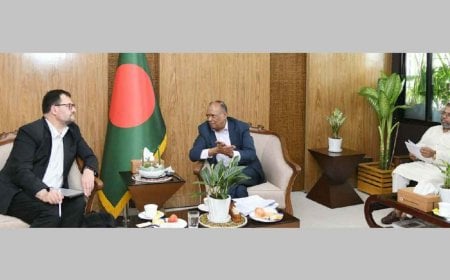
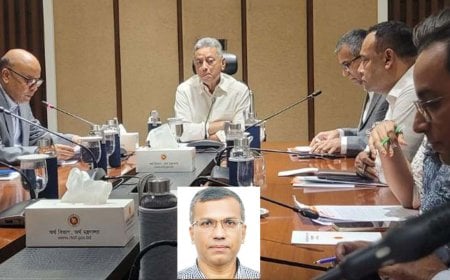
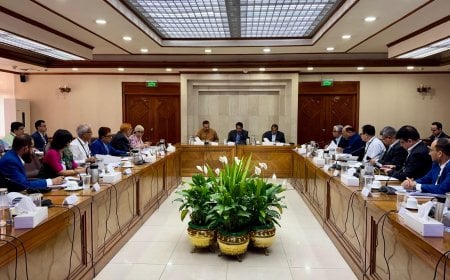
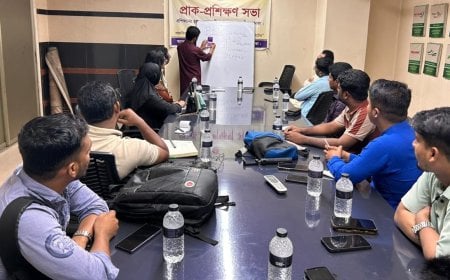
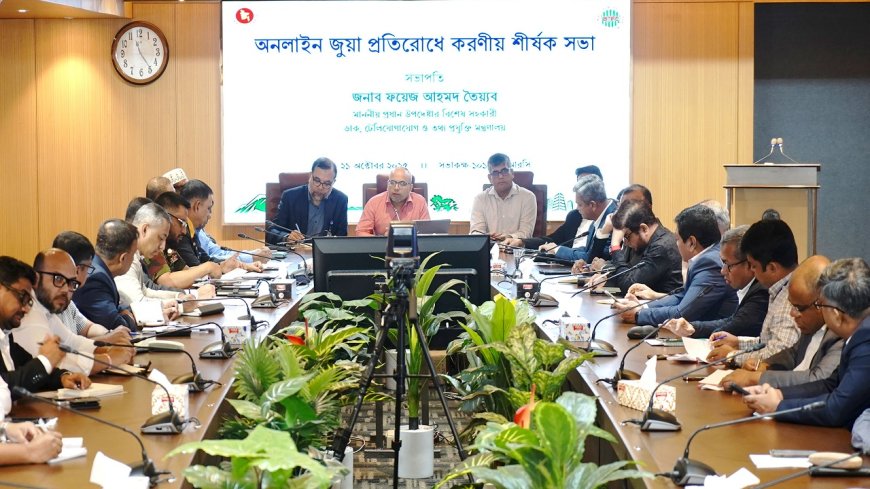
During a discussion meeting on measures to prevent online gambling, held on 21 October at the BTRC headquarters in Agargaon, Dhaka, speakers stressed the urgent need for NEIR implementation and stronger digital monitoring. The meeting was chaired by Faiz Ahmad Taiyeb, Special Assistant to the Chief Adviser on Posts, Telecommunications, and IT Affairs, who announced that NEIR would be officially launched after November.
ICT Division Secretary Shish Hayder Chowdhury remarked, “Gambling is a globally discussed issue. The BTRC and National Cyber Security Agency are already working to combat it. Alongside a change in mindset, technology must be used as a tool to prevent gambling.”
According to sources, although the Bangladesh Telecommunication Regulatory Commission (BTRC) had taken several initiatives earlier, procedural complications and controversies delayed NEIR’s implementation. However, the Commission now plans to formally announce the launch, along with detailed strategies and a timeline, on 29 November 2025.
BTRC Chairman Major General Md. Emdadul Bari (Retd.) explained, “Once NEIR is introduced, even if a SIM card is changed in a handset, the new SIM will require registration, which will help reduce crime. Similarly, if mobile financial service providers introduce repeated verifications within their apps, fraud will also decline.”
He further noted the importance of collaboration between technology and security sectors: “There is always a gap between those working on security and those working on technology. To reduce this, we must ensure mutual respect and cooperation among all stakeholders.” He also highlighted challenges such as duplicate SIM registration and suggested mapping smart and old NIDs to minimize fraud.
Bangladesh Financial Intelligence Unit (BFIU) Acting Head Mofizur Rahman Chowdhury informed that 4,783 MFS accounts linked to gambling activities had already been blocked. “After blocking such accounts, we analyze the data and share it with law enforcement agencies,” he said.
An NTMC Director mentioned that the center has been assisting stakeholders by blocking 123 apps and numerous URLs linked to online gambling and pornography. They also advised utilizing cyber security law provisions to ban gambling advertisements in media.
DGFI Director Brigadier General Saif revealed that up to 30 SIMs were being used under the same IMEI, stressing the need for an IMEI blacklist system to prevent reactivation of blacklisted SIMs.
NSI Director Brigadier General Masud cautioned that “a syndicate involving individuals from Dubai and Malaysia is exploiting Bangladeshi youth through online betting and call-center-based gambling promotion.” He recommended enhancing ISPs’ content detection capacities and raising social awareness.
CID Cyber Police Special Superintendent Mir Towhid added that over 2,000 SIMs had been found connected to online betting in the past two months, and around 600 websites and 50 apps were being used for these activities—many of them operated from abroad.
Mobile operators reported that they are increasing their technical capacity with NTMC’s support to block online gambling, betting, and pornographic sites. They emphasized that due to the highly secured and frequently changing nature of such sites, a multi-layered, cross-agency approach involving BTRC, the Election Commission, Bangladesh Bank, handset manufacturers, and MFS providers is essential.
Nagad CEO Motasem Billah proposed reducing the permissible number of SIMs per user to five and granting banks and MFS providers access to the national ID verification system.
BFIU representatives added that 58,000 MFS numbers had been deactivated so far, and the agency was introducing a unique identification number for all users with accounts across MFS, banks, and financial institutions. They also underscored the need for a joint verification platform between BTRC and Bangladesh Bank to match NID and SIM data.
Highlighting the massive outflow of money through gambling channels, Faiz Ahmad Taiyeb stated, “We have identified the accounts used for gambling transactions, and actions are being taken against the portals that advertise them.” He reported that, with BFIU and BTRC’s assistance, 4,820 MFS numbers and 1,331 gambling portals had already been blocked since May.
He further elaborated, “When one SIM number is blocked, offenders create multiple new sites. After their MFS accounts are shut down, they move to app-based systems. Therefore, law enforcement must stay active, and mobile operators should act to block pop-up ads using packet core-level solutions. Traffic classifiers must be designed to block such pop-ups, while MFS providers should deploy active crawlers to detect and shut down pornographic and gambling-related content.”
Taiyeb concluded with a warning: “Some media outlets still run gambling advertisements. If they do not act responsibly, their portals will be blocked.”