































































































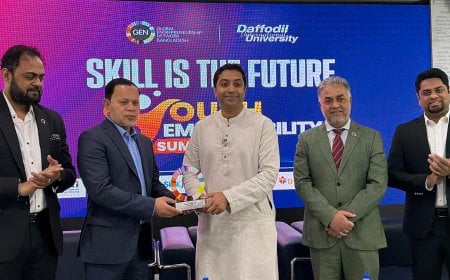











Hydrogen Horizon: Bangladeshi Researcher Develops Global Readiness Index
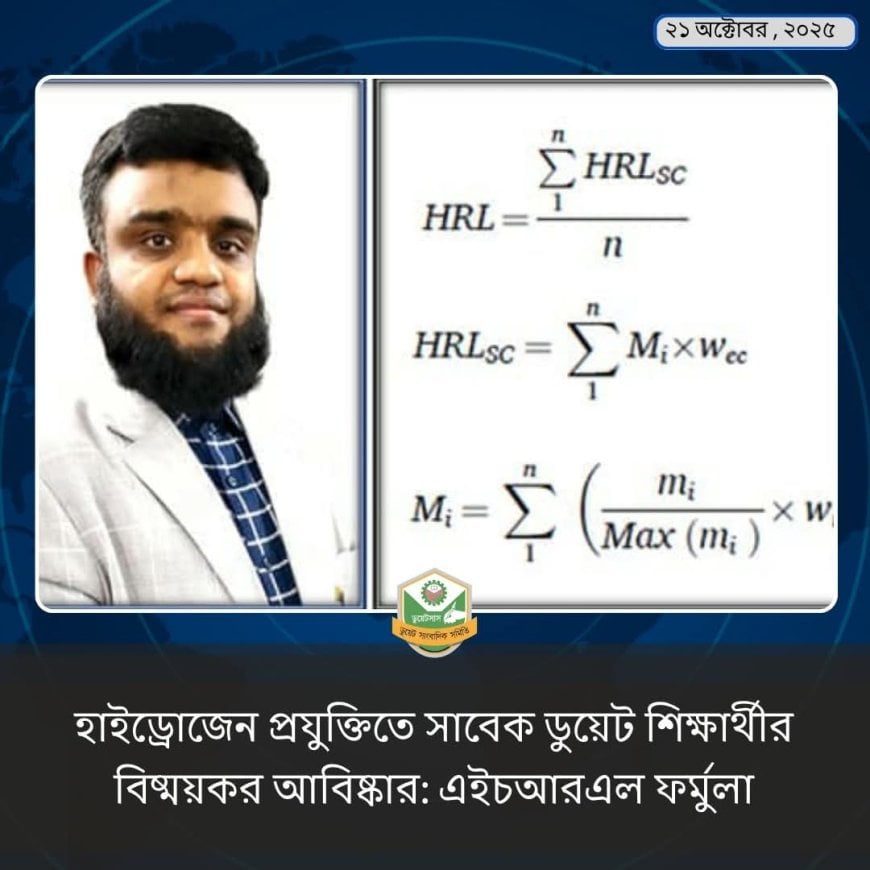



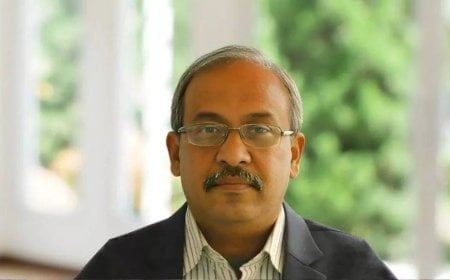
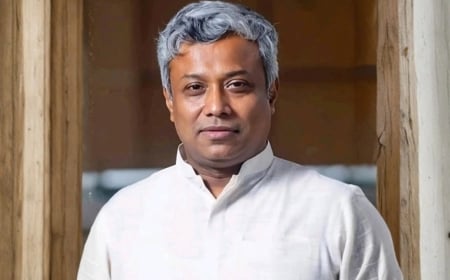
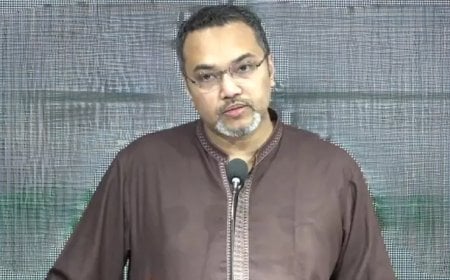
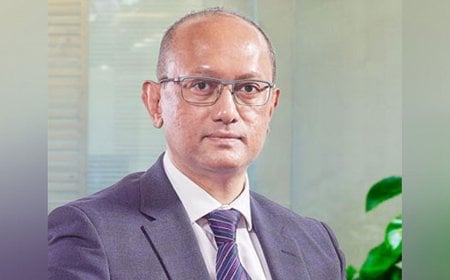
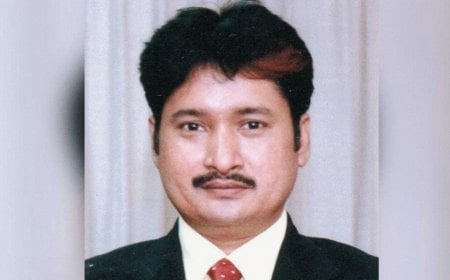
Dr. Shahabuddin, a distinguished alumnus of Dhaka University of Engineering and Technology (DUET), has developed a new mathematical model to assess hydrogen technology readiness, introducing what he calls the “HRL Index.”
Currently serving as a Senior Lecturer at the prestigious University of Malaya in Malaysia and as an Adjunct Associate Professor at IUBAT University in Bangladesh, Dr. Shahabuddin has spent the past two years developing this innovative formula. The HRL Index allows, for the first time, the precise measurement of a country’s readiness level in hydrogen technology.
Before joining the University of Malaya, he worked as a Research Scientist at several world-renowned institutions, including the National University of Singapore, Swinburne University of Technology (Australia), Federation University of Australia, the University of New South Wales (UNSW), and the University of Technology Sydney (UTS).
Dr. Shahabuddin holds a PhD in Chemical Engineering with a Publication Award from Monash University, Australia, an MPhil from the University of Adelaide, and a Bachelor’s degree in Mechanical Engineering from DUET.
He explained that the HRL Index builds upon the concept of the Technology Readiness Level (TRL), a framework first developed in the 1970s by NASA to assess technological maturity. “While TRL provides a theoretical framework for technology development, it does not quantify a country’s actual readiness or implementation capacity,” he noted.
Unlike TRL, the newly developed HRL Index is entirely based on a mathematical structure. It enables quantitative analysis of several factors — including technological gaps, investment needs, supply chain weaknesses, policymaking, research and development, and social acceptance — that determine a nation’s preparedness in hydrogen technology.
The groundbreaking research has been published in the reputed International Journal of Hydrogen Energy.
Dr. Shahabuddin expressed optimism that his invention will “open new horizons in global sustainable energy research and the emerging hydrogen economy.”