





































Violatoin leads up to six month's Jail and Tk 500,000 fine or both
Bangladesh Bans E-Cigarettes and Vapes Under Toughened Tobacco Law
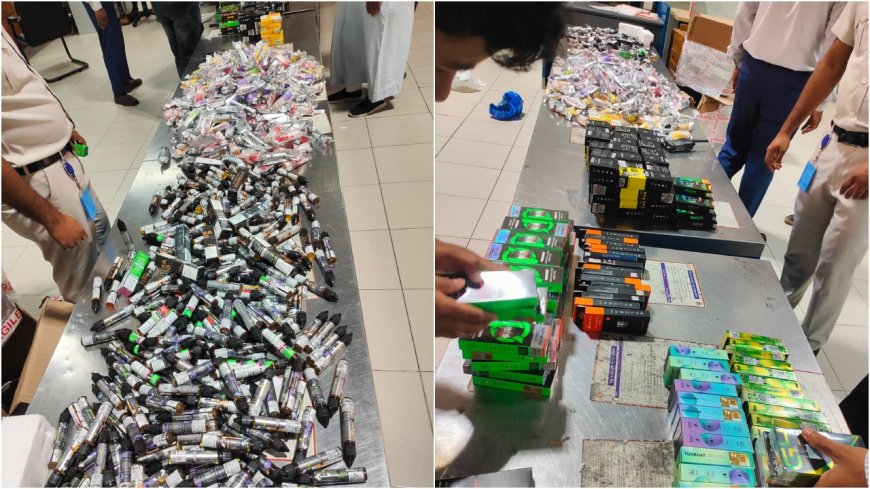



Bangladesh has imposed a complete ban on emerging tobacco products—including e-cigarettes, vapes and heated tobacco—by strengthening existing legislation through a newly amended ordinance.
The Smoking and Tobacco Products Use (Control) (Amendment) Ordinance, 2025 criminalises the production, import, export, storage, sale and use of technology-driven tobacco products. Violations may result in imprisonment of up to six months, a fine of up to Tk 500,000, or both.
In addition, the ordinance enforces a comprehensive prohibition on tobacco advertising across all platforms, including print and electronic media, the internet, social media and OTT platforms. Display and promotion of tobacco packs at points of sale have also been banned. The use of tobacco company names or logos in corporate social responsibility (CSR) activities, as well as financial sponsorship of any event or programme by tobacco companies, has been prohibited.
The interim government enacted the ordinance following presidential assent. On Thursday, January 1, the Chief Adviser’s Press Wing confirmed that the amendment—proposed by the Health Services Division under the Ministry of Health and Family Welfare—was approved to further strengthen the existing Smoking and Tobacco Products Use (Control) Act, 2005. The ordinance came into effect on December 30, subject to presidential approval.
According to the official statement, the core objectives of the law are to protect the public from the harmful effects of tobacco and nicotine products, repeal the separate ordinance on bidi manufacturing to establish a unified legal framework, and impose a complete ban on emerging tobacco products such as e-cigarettes, vapes and heated tobacco.
Key Amendments and Additions
Expanded definition of tobacco products:
The definition of “tobacco products” has been broadened to include e-cigarettes, Electronic Nicotine Delivery Systems (ENDS), Heated Tobacco Products (HTP), nicotine pouches and other emerging products. The government has also been empowered to declare any such product a tobacco product through a gazette notification. Separate definitions for “nicotine” and “nicotine products” have been added, while the definition of “public place” has been significantly expanded.
Ban in public places and transport:
The use of tobacco products, in addition to smoking, has been prohibited in all public places and public transport. The fine for violating this provision has been increased from Tk 300 to Tk 2,000.
Sales restrictions near sensitive locations:
The sale of tobacco products has been banned within 100 metres of educational institutions, hospitals, clinics, playgrounds and children’s parks.
Repeal of bidi manufacturing ordinance:
The Bidi Manufacture (Prohibition) Ordinance, 1975 has been repealed as part of efforts to consolidate tobacco-related laws under a single framework.
Adulteration criminalised:
Mixing tobacco or tobacco products with any harmful addictive substance has been declared a punishable offence.
Mandatory graphic warnings and standard packaging:
The sale of tobacco products without standard packaging featuring coloured pictorial health warnings covering 75 percent of the pack surface has been prohibited.
Stricter penalties:
The ordinance significantly increases fines and prison terms, introduces provisions for licence cancellation and seizure of goods in cases involving companies, and incorporates procedures for case management under the Code of Criminal Procedure.
DBTech/EK/BN/OR









