


































































































































Fake Ads Fuel Facebook Fraud Frenzy in Bangladesh




Abdul Mannan, a public transport worker from Narayanganj, thought he had found a new source of income. After clicking on a Facebook advertisement, he registered on a website and paid BDT 1,000. He was promised an alluring reward: simply by watching a few online ads each day, he could earn BDT 600. Despite following all instructions, he never received any money. His deposit vanished, and the platform stopped responding to his messages.
Mannan is not alone. Across Bangladesh, numerous websites are luring users with promises of daily earnings for performing simple tasks, such as watching ads. Promoted heavily through Facebook ads, these platforms often require users to register and pay upfront fees, offering so-called "Silver" or "Platinum" packages with guaranteed daily returns—returns that are never delivered.
According to a recent investigation by Dismislab, a media verification and research platform, at least 31 scam websites were actively promoted through Facebook ads between May 6 and 12. These ads, often written in Bangla with phrases such as “Earn by watching ads” or “Income website,” targeted users looking for quick and remote earning opportunities.
The research reveals a cyclical scam pattern: some websites disappear while new ones rapidly appear with similar schemes. Some Facebook pages disappear soon after running ads, while new pages pushing identical or nearly identical scams emerge shortly thereafter. As of June 24, Dismislab identified at least 31 new Facebook pages running similar advertisements.

Facebook Ads and How the Scam Operates
A search of Meta’s Ad Library between May 6 and 12 found that 31 Facebook pages were running fraudulent ads redirecting users to 25 different websites. Some websites were promoted through multiple pages. For example, one website had ads running from at least three separate Facebook pages.
As of June 24, only seven of the 25 identified websites remained active. However, the scam cycle continues, with newer Facebook pages launching similar ads that link to newer scam sites. Several of the newer sites (1, 2, 3, 4) were promoted through distinct Facebook pages (1, 2, 3, 4, 5).

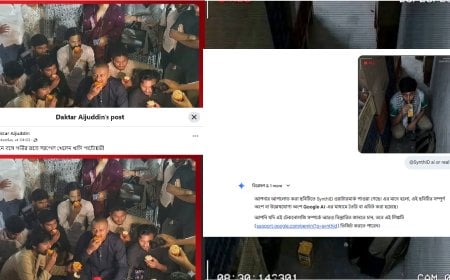
The ads typically took the form of 5–6 minute videos. The first 30 seconds to one minute often featured Bangladeshi YouTubers Shohag Khandaker and AFR Technology—both with over 4 million subscribers. In the original YouTube videos (1, 2), these creators discussed how to earn by making Facebook reaction videos. However, the scam ads repurposed the video clips without permission to falsely suggest endorsement of the scam sites.
Following the misleading clips, the ads display mobile screen recordings showing how to register on a website, deposit money, and start “earning” by watching ads. Clicking the ad redirects users to the scam website.

All of these websites follow a similar structure. Users are prompted to register and purchase “earning packages” ranging from BDT 500 to BDT 20,000 via mobile payment platforms like bKash, Nagad, or Rocket. The platform promises easy daily returns, such as BDT 300 per day for 200 days in exchange for a BDT 500 package.
Dismislab registered accounts with two such websites, goldbd7.com and green75.com, to examine their operations. WHOIS records show most domains were registered in April or May 2025. Several used the same hosting providers and registrars.

Warnings Ignored Amid Fake Praise
Some users tried to warn others by commenting on the Facebook ads, reporting that they had deposited money and received nothing in return. At least 30 such comments were documented. However, these were often buried beneath a flood of fake positive reviews. Dismislab found that 79% of the 4,809 comments across 10 scam-related posts were repetitive fake praise.
Manipulating Trust Using Influencers
The scammers intentionally used edited clips from popular YouTubers Shohag Khandaker and AFR Technology without consent, giving the false impression that these influencers endorsed the scam. The clips were edited together with mobile recordings that walked viewers through how to deposit money and start earning, lending false legitimacy to the platforms.

Violation of Meta's Policies
These scam advertisements violate at least two of Meta’s ad policies:
-
Misleading use of public figures or influencers without permission.
-
Promises of income in exchange for upfront payments.
Despite these clear violations, many of the scam ads ran for days or even weeks before the pages were eventually taken down—often only after running multiple ad campaigns.